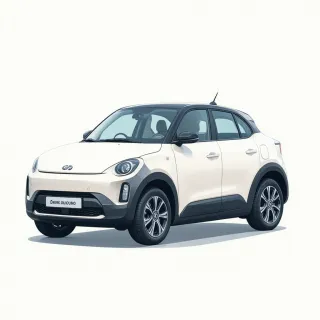
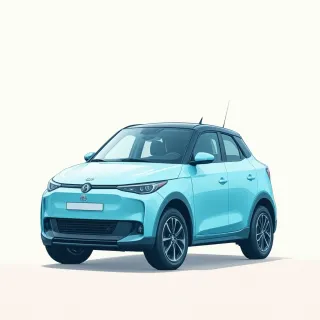
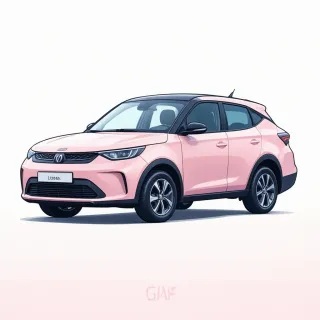
Your QR code window sticker isn’t just a parking pass—it’s a round-the-clock sales tool that turns browsers into buyers. So what goes on it? Start with the Vehicle Photos field (it’s an imageGallery, so you can upload multiple shots). Use crisp, well-lit photos that show the car from every angle: front, rear, interior, dashboard, and close-ups of key features like alloy wheels or a sunroof. These images do the heavy lifting when someone scans the code after hours. Next, the Heading and Subheading: make your heading the exact year, make, model, and trim—say “2024 Ford Mustang GT Premium.” The subheading can add a quick hook, like “Low Miles, One Owner.” This immediate clarity helps shoppers know they’ve found the right vehicle fast.
Now fill in the meaty details that serious buyers care about. Mileage is a trust signal—be precise (e.g., “38,214 mi”) and if it’s below average for the model year, that alone can prompt a call. The Body Style, Engine, Fuel Type, and Transmission fields let you list specs concisely; for example “Coupe, 5.0L V8, Gasoline, 6-Speed Manual.” The VIN field is your transparency anchor: displaying it here shows you’re not hiding anything and lets shoppers run their own history checks. Then comes the Description—the only other required field besides the heading. This is where you sell the story. Don’t just copy-paste a factory feature list. Write like you’re talking to someone standing on the lot: “Drives like new. We just put on fresh tires and performed a full service. The leather interior is spotless. Perfect for weekend road trips.” Mention any aftermarket upgrades, warranty info, or standout quirks. This personal touch builds trust and often tips the scales.
Contact fields turn your sticker into a lead capture machine. The Phone field should go to a sales line that’s answered, even a cell. Email gives the quiet shoppers a no-pressure way to inquire. Address pins your dealership on their map, and Website links to your full inventory or a specific vehicle page. Together, these let someone schedule a test drive directly—they can tap to call or fire off an email that says “I’m looking at the Mustang, can I come by for a test drive tomorrow?” You’re not forcing them to search your site; you’re handing them the keys to connect right from the lot, even at 10 p.m.
Here’s how dealerships are using these QR stickers to boost sales: they print one sticker per car and place it on the driver’s-side window or door frame. When a walk-up shopper scans it after close, they get the full digital brochure on the spot. Because QRDrobe’s code is dynamic, you can update the landing page anytime—say, to drop the price or mark it “sold”—without reprinting thousands of stickers. Plus, every scan is tracked, so you’ll know which vehicles draw interest and even when the most scans happen. Some lots even add a call-to-action in the description like “Text ‘TESTDRIVE’ to [your phone number] for a quick booking,” but even without that, the phone and email fields keep the line open. The sample card layout at the link shows exactly how clean and mobile-friendly it looks, with photos up top and specs below, all in a single scroll.
A common mistake? Overloading the description with jargon or leaving fields blank. Every unfilled field is a missed trust opportunity. Another tip: rotate vehicle photos seasonally if the car sits a while—fresh images signal that it’s still available and cared for. And always test the QR code yourself to make sure the contact links work. With QRDrobe, you start free, so there’s zero risk in trying one. Turn your lot into a team of silent salespeople, each with a complete digital pitch that never clocks out.