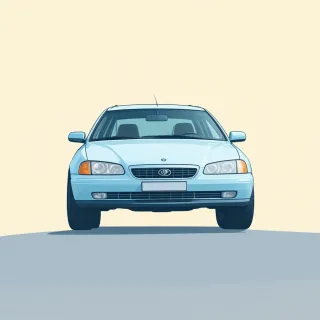
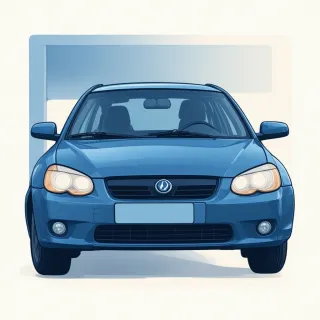
Picture this: a used car buyer is standing on the lot, peering through the window of a car they're half-interested in. They spot a small QR code sticker, scan it with their phone, and instantly a mobile page loads with the full pre purchase car inspection report—not a static PDF that might be weeks old, but a rich, visual summary that feels current and transparent. That's the shift. You're not just handing over a checklist; you're giving them a moment of discovery that answers the big questions before they even form them: What does the engine look like? Any rust underneath? Who checked it, and how do I reach them?
When you build this with the QRDrobe Vehicle Info template, you guide the buyer through exactly what matters. The image gallery lets you drop in multiple Vehicle Photos—close-ups of the engine bay, tread depth, any scratches—so nothing is hidden. The Heading and Subheading immediately frame the report (think “120-Point Inspection – 2018 Toyota Camry” and “Inspected by Mike’s Auto, May 2025”). Then the specs roll out: Mileage, Body Style, Engine, Fuel Type, Transmission, and that all-important VIN. A buyer scanning this gets a full picture without having to ask, “Is this the V6 or the hybrid?” It's preemptive trust: you’ve laid it all out, which signals you have nothing to hide.
The real power kicks in because the format is mobile-first and immediate. A paper report gets crumpled or left in the glovebox; a generic web link feels like homework. But here, the buyer is already on their phone, scrolling through a clean, vertical card with crisp photos and a Description that reads like a mechanic talking to a friend: “Timing belt replaced at 80k, one small door ding on passenger side, tires at 60%.” That moment of standing-by-the-car clarity turns a casual looker into someone who’s mentally test-driving. And because the Phone, Email, and Address fields are all live on that same screen, they can tap to call you or start a conversation right from the report.
Another layer of confidence comes from the dynamic QR code itself. Unlike a static code that’s dead the moment you print it, this one can be updated later. Say a week goes by and you notice the AC needs a recharge—you just log into QRDrobe, edit the Description, and the same sticker now reflects the honest note. No reprinting, no awkward “oh, by the way” phone calls. The printed code on the window keeps working, and the scan tracking lets you see how many buyers are actually engaging with the report. Sellers love that because it turns a passive ad into active data: you’ll know which cars are getting looks even when you’re not there.
To make this really sing, fill out every field with care. Don’t skip the Subheading—use it to add urgency like “Only 2 previous owners, clean Carfax attached.” Paste a direct Website link to the full history report if you have one. For the image gallery, use well-lit photos that show the car from key angles, plus one of the inspection tag or the mechanic’s shop. A common mistake is leaving the VIN blank; that’s a red flag for buyers who know how to run a check. Also, write the Description in plain language, not auto-jargon. Instead of “Compression: nominal,” try “Engine passed compression test with flying colors—strong and even across all cylinders.” That human tone makes the difference between a generic listing and a report that feels like a trustworthy recommendation.
When a mechanic tapes this QR code to a car window, the whole selling dynamic changes. The buyer doesn’t have to track down information or play phone tag; they’re holding a complete, visual, up-to-date inspection in the palm of their hand while standing right next to the vehicle. That immediacy turns “maybe” into “let’s talk,” and it makes you—whether a dealer, private seller, or shop—the kind of seller they’ll remember for being open and easy to deal with. A pre purchase car inspection report QR code isn’t just a techy add-on; it’s your digital handshake, building buyer trust one scan at a time.