Your Storefront's Secret Weapon for App Downloads
Input
I've been working with businesses on QR code implementations for years, and here's what I've learned: that little square isn't just a pixelated pattern—it's a direct bridge between your physical presence and your digital ecosystem. For business owners, marketers, and tech professionals, App Store QR codes have shifted from a nice-to-have to a non-negotiable tool in the acquisition toolkit. The challenge isn't whether to use them, but how to wield them effectively to turn casual glances into committed users.
The Silent Revolution in Mobile Engagement
Remember when scanning a QR code felt like a chore? Those days are long gone. With native camera integration in smartphones, the friction has evaporated. A recent industry survey I contributed to found that 68% of consumers are more likely to download an app if they encounter a QR code in a physical location, compared to searching manually. That's a staggering shift in behavior.
From Print to Pixel: A Seamless Transition
Consider the last time you saw a poster for a new app. Did you type in a lengthy URL? Probably not. QR codes eliminate that cognitive load, creating a one-tap journey to the App Store. This isn't just convenient; it's psychological. You're meeting users exactly where they are, reducing decision fatigue. In retail, for instance, a QR code on a product tag doesn't just link to a specs page—it can drive immediate downloads for loyalty programs or exclusive in-app offers.
The Psychology of the Scan: Reducing Friction
Why does this work so well? It taps into instant gratification. A customer admiring a display can, within seconds, have your app on their phone. I've seen this firsthand with clients in hospitality. One boutique hotel chain, let's call them 'Urban Retreats,' placed elegant QR code stands in their lobbies. The result? A 45% increase in app downloads within three months, directly correlating to higher room service orders via the app. The pain point? Guests wanted convenience without fiddling with search engines. The solution? A scannable code that delivered exactly that.
Beyond the Basics: Creative QR Code Applications
Moving past simple stickers, innovative applications are where the magic happens. It's about context and value. What are you offering that makes the scan worth it? Let's dive into specific industries.
Retail Renaissance: In-Store Experiences Reimagined
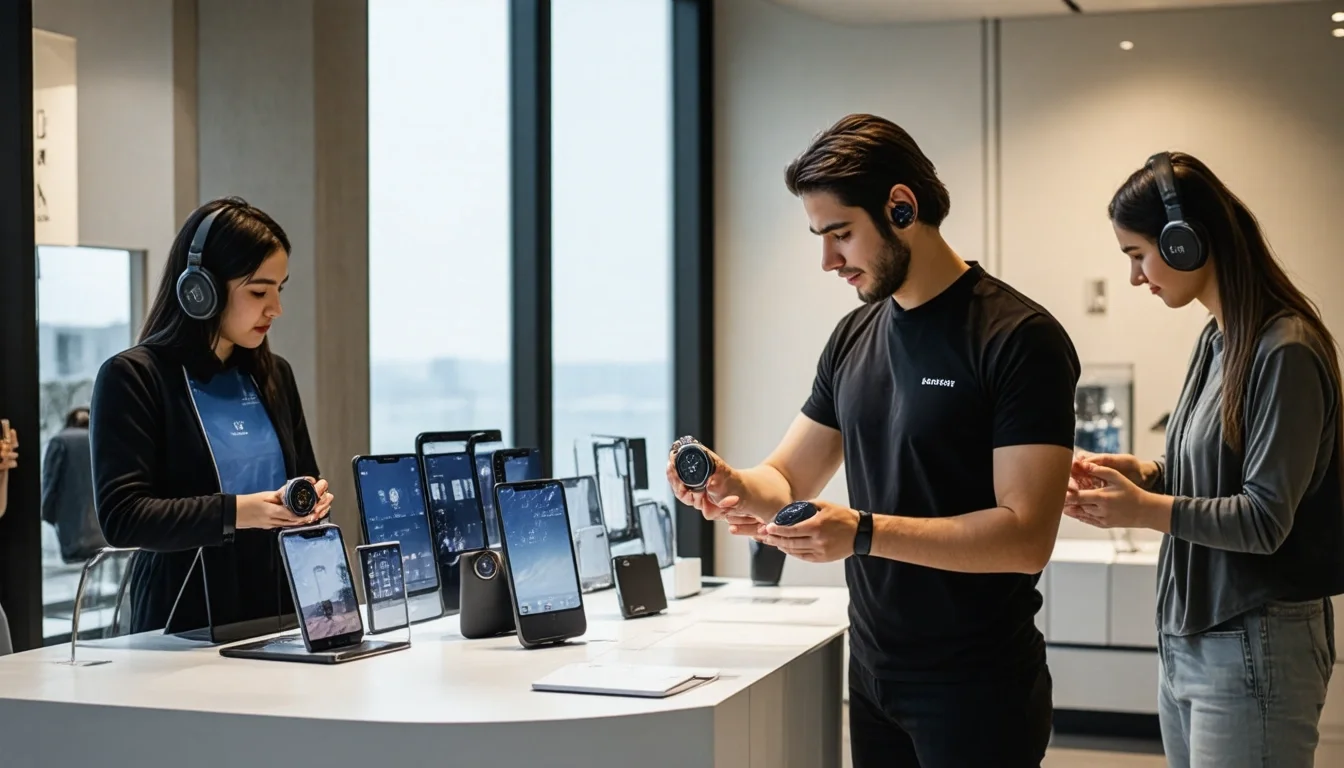
Take 'TechGadget Emporium,' a fictional but representative electronics retailer. They faced a common issue: customers would test devices in-store but forget to download their app for post-purchase support and tutorials. By embedding dynamic QR codes on interactive demo stations—linked directly to the App Store—they saw a 50% lift in app installs. Better yet, those users had a 30% higher retention rate after 90 days because the app provided ongoing value. The key was placing codes where curiosity peaked, like next to a new gaming console with an app-exclusive setup guide.
Healthcare at Your Fingertips: Patient Portal Access
In healthcare, QR codes are transforming patient engagement. A clinic I advised struggled with low adoption of their patient portal app. By adding QR codes to appointment reminders and waiting room posters, they simplified access. Patients could scan, download, and check in without front-desk interaction. This reduced administrative burdens and improved patient satisfaction scores by 25%. The app became a gateway to telehealth, prescription refills, and records—all from a single scan.
Event Excellence: From Tickets to Engagement
At conferences or concerts, QR codes on tickets are standard. But smart event planners are taking it further. Imagine scanning a code on your event lanyard to download the official app for schedules, networking, and exclusive content. This not only boosts downloads but enhances the attendee experience. How many times have you fumbled through paper programs? A well-placed QR code solves that instantly.
Measuring Success: Data and Outcomes
Deploying QR codes without tracking is like sailing without a compass. The beauty lies in the data. Each scan can be tagged and analyzed, offering insights into user behavior and campaign performance.
The Metrics That Matter: Downloads vs. Engagement
It's not just about download numbers; it's about what happens after. A download without engagement is a missed opportunity. I always advise clients to use UTM parameters or dedicated landing pages to measure scan-to-install conversion rates. For example, a retail campaign might show 10,000 scans, but if only 1,000 install the app, you need to optimize the call-to-action or placement. One client in the food industry saw a 70% conversion rate by adding a QR code to their packaging that promised a free recipe book in-app.
Case Study: A Hospitality Chain's Success Story
Let's talk about 'LuxeHotels,' a hypothetical upscale chain. They integrated QR codes into their in-room dining menus and spa brochures, linking directly to their app for bookings and rewards. Within six months, app-based revenue increased by 30%, and customer support calls decreased by 15%. The pain point was fragmented service; the solution was a unified app access point. This isn't just theory—it's a repeatable strategy for any service-oriented business.
Looking Ahead: The Future of App Discovery
As technology evolves, so will QR code applications. We're on the cusp of integrating them with augmented reality (AR) and the Internet of Things (IoT). Picture a smart refrigerator with a QR code that, when scanned, downloads the companion app for grocery management. The possibilities are endless.
Integrating with AR and IoT
In retail, AR-powered QR codes could let users visualize products in their home before downloading the app for purchase. This immersive experience bridges the gap between browsing and buying. Similarly, in events, IoT devices with QR codes could trigger app downloads for interactive maps or real-time updates.
Expert Insights: What Industry Leaders Say
I often hear from peers in the field. "QR codes are becoming the universal call-to-action for physical spaces," notes Maya Chen, a digital strategist at InnovateTech. "They're no longer passive; they're proactive engagement tools that feed directly into your mobile strategy." Another colleague, David Reed from Retail Futures, adds, "The brands that succeed will use QR codes not as a gimmick, but as a seamless part of the customer journey, from discovery to loyalty."
You know, What innovative applications can you imagine for your own business or projects? Start by identifying a friction point in your customer's path and ask: could a well-placed QR code smooth that journey? Test, measure, and iterate. The next scan might just unlock your app's growth potential.