Unlock Instant Engagement: The SMS QR Code Advantage
Input
Have you ever considered how much time we waste on inefficient processes? In my years consulting with businesses, I've seen countless hours lost to manual data entry, missed follow-ups, and clumsy customer interactions. That's where SMS QR codes come in—a deceptively simple tool that's transforming how we bridge physical and digital spaces. Let's cut through the hype and explore what truly works.
The Hidden Cost of Inefficient Customer Interactions
Remember the last time you fumbled with a paper form at a doctor's office or waited while a cashier typed your email for a receipt? These moments aren't just minor annoyances; they're costly bottlenecks. Traditional methods like sign-up sheets, business card exchanges, and verbal instructions drain resources. A boutique hotel I worked with spent approximately 15 hours weekly managing manual guest feedback forms—time that could have been spent on service improvements. SMS QR codes offer a streamlined alternative, but how do they stack up?
Paper vs. Pixels: The Old Way Meets the New
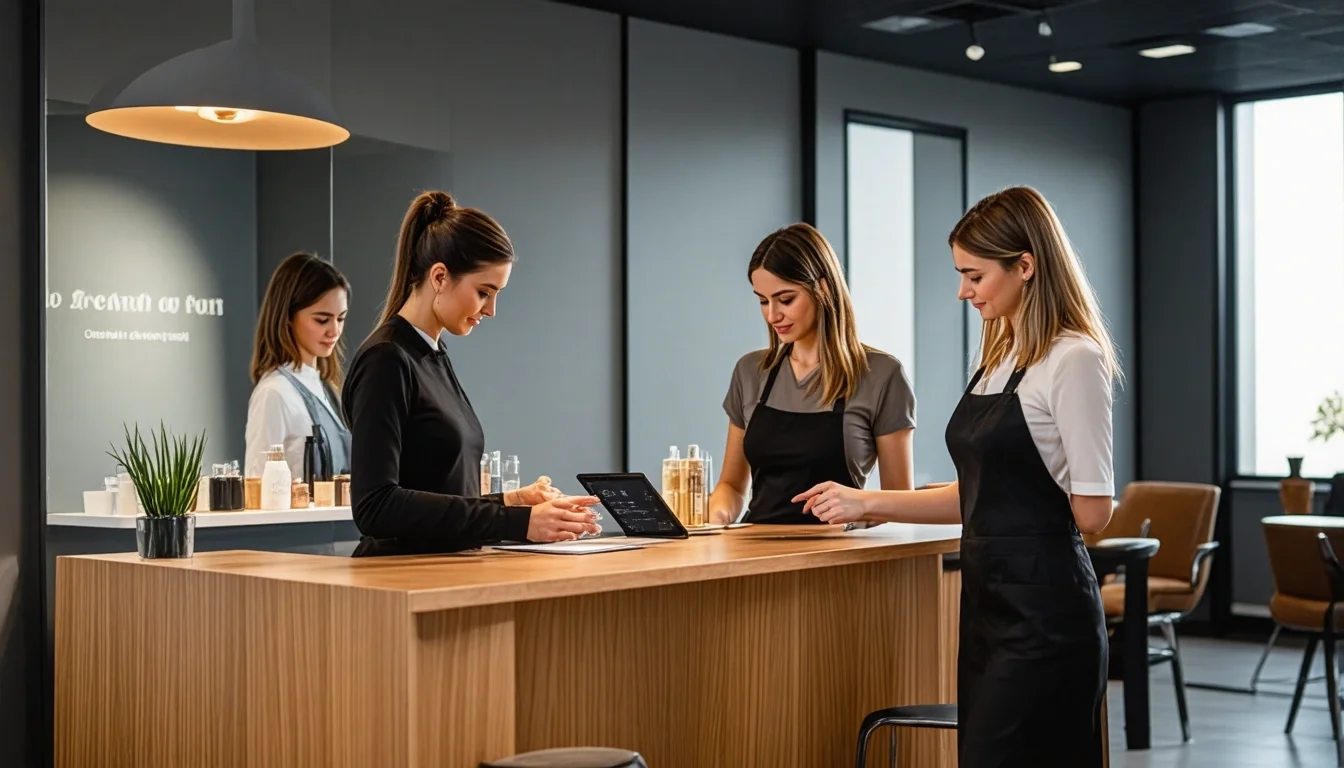
In retail, paper loyalty programs often see abandonment rates around 70%, as customers forget cards or find sign-ups tedious. Compare that to QuickStyle Salon, a fictional upscale chain that integrated SMS QR codes at reception. Instead of clipboard sign-ups, clients scan a code to text "JOIN" and instantly receive a welcome offer. Their loyalty enrollment jumped by 45% in three months, with staff freed to focus on customer service. The key? Reducing friction without sacrificing personal touch.
SMS QR Codes: Bridging the Physical-Digital Gap
These aren't your grandpa's QR codes—ones that just link to a website. SMS QR codes prompt users to send a pre-written text message, triggering immediate actions like subscriptions, appointments, or support requests. They work offline, require no app downloads, and tap into the near-universal use of texting. According to a 2024 marketing study, SMS has a 98% open rate, making it a reliable channel for engagement.
Retail Revolution: From Browsing to Buying
Take Urban Threads, a clothing store that used SMS QR codes on product tags. Shoppers could text "STYLE" to receive styling tips or inventory updates, leading to a 30% increase in repeat purchases. In hospitality, a resort deployed codes at check-in for guests to text "AMENITIES" and get real-time event schedules, reducing front-desk queries by half. The beauty lies in immediacy—no more waiting for email confirmations or app notifications.
Healthcare Simplified: Patient Engagement Made Easy
In healthcare, privacy and efficiency are paramount. A clinic I advised replaced paper intake forms with SMS QR codes in waiting rooms. Patients texted "CHECK-IN" to securely submit details, cutting wait times by 20 minutes per visit. It's not just about speed; it's about creating a seamless experience that respects everyone's time. What could this mean for your industry?
Measuring the Impact: From Costs to Conversions
Let's talk numbers. Implementing SMS QR codes isn't free—there are setup costs, platform fees, and training time. But the ROI can be staggering. For events, consider MusicFest 2023, which used codes on wristbands for attendees to text "SCHEDULE" and get updates. They saved $5,000 on printed programs and boosted social media mentions by 60%. On the flip side, poorly executed codes can backfire; one retailer saw a 10% drop in engagement when codes led to generic messages without personalization.
Calculating Your Win: A Balanced View
A pro-con analysis reveals that SMS QR codes reduce human error and scale effortlessly, but they require clear calls-to-action and monitoring for spam. Best practices include using dynamic codes for tracking, testing across devices, and offering value—like exclusive discounts for texting. A common mistake? Placing codes in low-traffic areas without context. I once saw a restaurant hide theirs on the bottom of menus; needless to say, scans were dismal.
Implementing SMS QR Codes Without the Headaches
Based on my project experiences, success starts with a pilot. For a client in the automotive industry, we rolled out SMS QR codes on service center countertops for feedback collection. Within weeks, response rates tripled because we paired codes with staff explanations. Industries like education are using them for parent-teacher communication, while nonprofits leverage them for donation drives. The trick is to align with existing workflows—don't force a tech solution where a conversation works better.
Client Story: Bloom & Grow's Loyalty Leap
Bloom & Grow, a fictional plant shop, struggled with tracking customer preferences. We implemented SMS QR codes on care tags, allowing customers to text "TIPS" for plant advice. This not only built a subscribed list of 500+ in two months but also led to a 25% rise in repeat sales through targeted offers. The lesson? Start small, measure everything, and iterate based on real feedback.
What innovative applications can you imagine for your own business or projects? Whether it's streamlining event registrations or enhancing patient care, SMS QR codes offer a versatile tool—but only if wielded with strategy and a human touch. Dive in, experiment, and watch those inefficient processes fade away.