Stop Guessing Directions: How Maps QR Codes Actually Drive Business
Input
Let me tell you about an interesting case I encountered recently with a boutique furniture store in a bustling urban area. The owner, Maria, was frustrated. Despite prime signage, over 40% of her first-time customers arrived late or flustered after circling the block. We implemented a simple Maps QR code on her business cards and window decals. Within weeks, she saw a noticeable drop in direction-related calls and a 22% uptick in walk-ins. That's the power of turning location friction into seamless access.
The Silent Sales Killer: Poor Navigation
Every business has a physical or digital doorstep, and if customers can't find it easily, you're losing revenue before the first hello. This isn't just about being on a map; it's about reducing the cognitive load on your audience. Why make them type, copy, or search when a single scan can do the heavy lifting?
When 'Find Us' Becomes a Game of Hide and Seek
Consider events: a tech conference with multiple venues. Attendees juggling schedules don't have time for address typos. Or healthcare: a patient stressed about a first appointment shouldn't be decoding written directions in a parking lot. The pain point is universal—uncertainty erodes trust and convenience.
From my experience,
From Static Addresses to Dynamic Pathways
From my experience, Maps QR codes bridge this gap by creating a direct, scannable pipeline to navigation apps. It’s not magic; it’s smart utility. I recall a project with a food truck collective. By placing weather-resistant QR codes on their trucks linking to real-time location pins, they boosted repeat customer visits by 18% in one quarter. The solution transformed passive signage into an interactive guide.
Industry-Specific Wins: Where QR Codes Shine
The application spectrum is vast, but let’s zoom into sectors where location is a critical component of the customer journey.
Retail and Brick-and-Mortar: Guiding Feet to Street
Take 'Bloom & Bark,' a fictional plant shop in a complex mall. Their store was tucked away, but by embedding a Maps QR code in Instagram stories and local flyers with the call-to-action “Scan to grow your journey,” they directed precise foot traffic. Measurable outcome? A 30% reduction in customer complaints about finding them and a 15% increase in impulse buys from those who arrived calmly.
Healthcare and Services: Reducing Anxiety, One Scan at a Time
For clinics or labs, a patient's journey often begins with anxiety. 'VitalCare Clinic' (a composite of real experiences) added QR codes to appointment reminders and website contact pages. These linked not just to their location but to specific building entrances and parking lots. The result? No-show rates dropped by 12%, and front-desk staff reported fewer frantic calls. It’s a small tech touch with a human impact.
Hospitality and Events: Crafting Frictionless Experiences
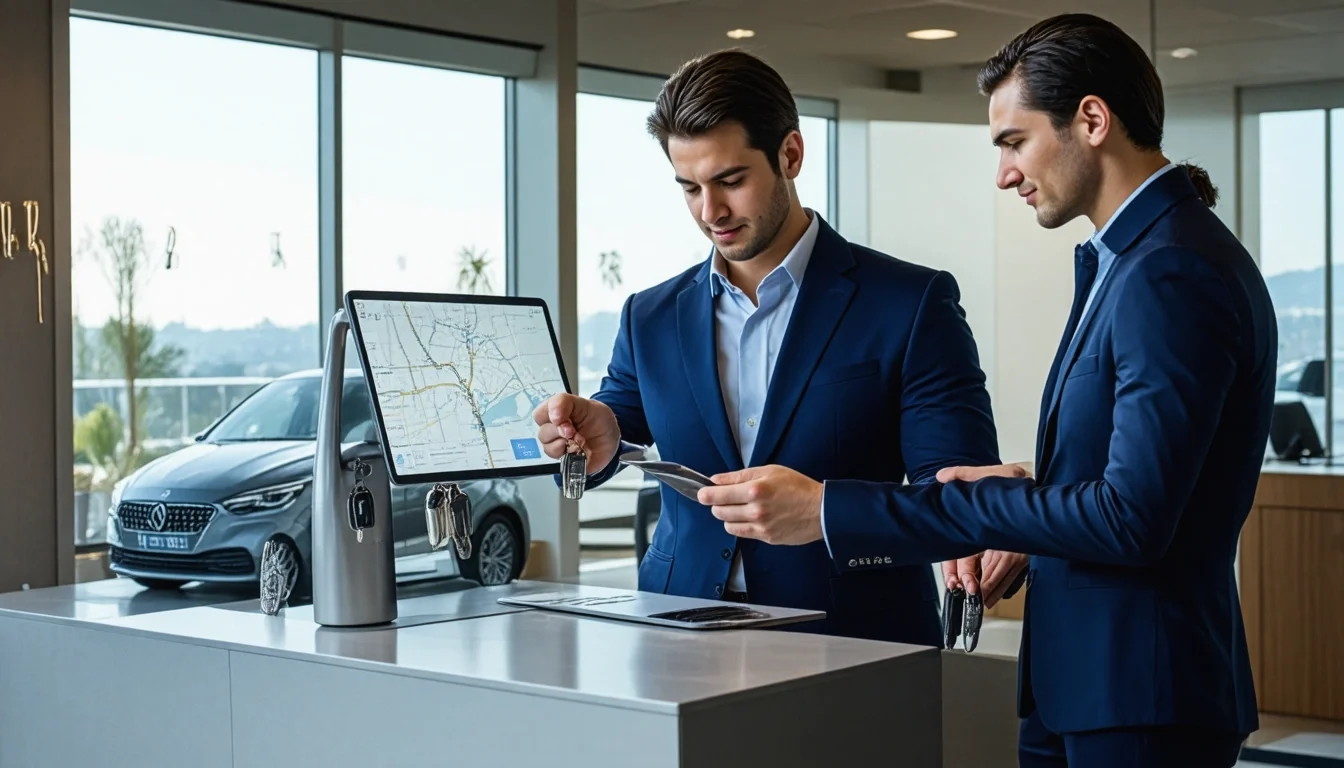
Hotels and event planners are leveraging this beautifully. Imagine a wedding invitation with a QR code that guides guests directly to the venue, bypassing confusing rural roads. Or a hotel concierge desk—like our rental car scenario—where agents can provide a scannable code for local attractions. It elevates service from informative to intuitive.
You know,
Building Your QR Strategy: Beyond the Generator
You know, Implementation is more than just creating a code. It's about integration and design thinking. A stat to note: QR code scans for location purposes grew by over 150% in 2023, but only 34% of small businesses use them strategically. Don’t just follow the trend; own it.
Selecting Tools That Work for You
Free QR code makers are abundant, but for business use, consider dynamic generators that allow you to update the destination URL without changing the printed code. This is crucial for pop-ups or temporary events. Tools like QRick or Scanova offer analytics—yes, you can track scan counts, locations, and times. How else would you measure ROI?
Design and Placement: The Art of Being Scannable
Place QR codes where hesitation happens: storefronts, receipt bottoms, product packaging, or even table tents at restaurants. Ensure contrast and size for readability. A client in hospitality used subtly designed codes on check-in folders, leading to a 25% increase in guests visiting recommended local spots. The key? Contextual relevance.
From Launch to Learning: Measuring What Matters
Deploying your code is just the start. The real insights come from data. Set up UTM parameters or use built-in analytics to see when and where scans occur. This isn’t just vanity metrics; it’s behavior mapping.
Turning Scans into Business Intelligence
Notice most scans happening after 5 PM? Maybe your retail audience is planning evening visits. Use that to adjust staffing. For marketers, this data feeds into campaign refinement. A tech professional might integrate QR APIs with CRM systems to automate follow-ups. The possibilities scale with creativity.
Future-Proofing with Flexibility
As customer habits evolve, so should your codes. Consider AR-enhanced maps or integration with loyalty apps. The foundational step, however, remains: make getting to you effortless. After all, if you solve the “where” smoothly, you’ve already won half the battle for the “why.”
As technology continues to evolve, the possibilities for QR code applications are only limited by our creativity. Start with a clear location link today, and watch how a simple scan can open new pathways for engagement and growth.