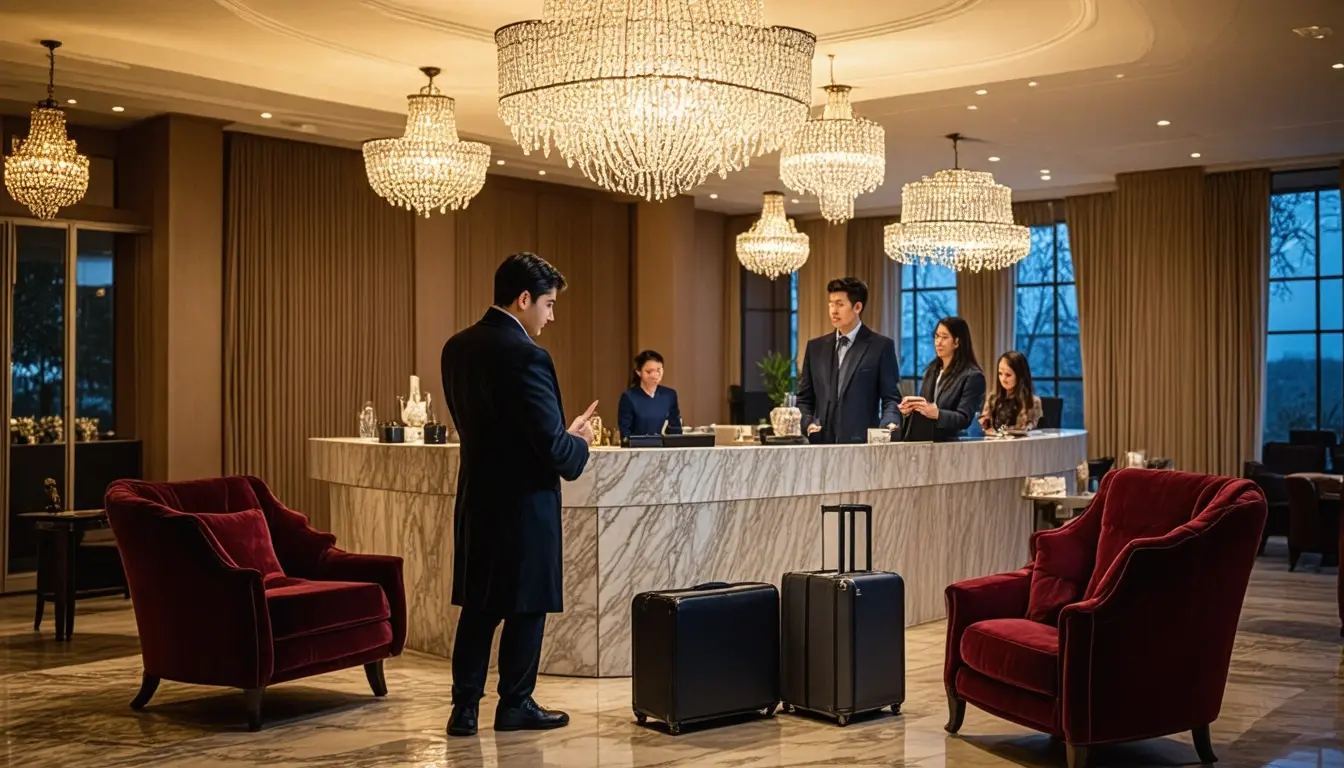
The Silent Butler in Your Lobby: Why Wi-Fi QR Codes are Changing Hospitality
Input
Let me share some real-world examples that demonstrate the power of what I call 'connectivity choreography.' At a bustling conference for a major tech client last year, I watched a sea of attendees fumble with their phones. They were trapped in that all-too-familiar dance: hunting for a network name, finding a password tucked behind the front desk, and typing out a 16-character alphanumeric string, likely getting it wrong on the first try. The collective sigh was almost audible. Then, we deployed a simple change: elegant table tents with a scannable Wi-Fi QR code. The line at the help desk vanished, and the room’s energy shifted from frustrated to engaged in under ten minutes. That’s the quiet revolution of the Wi-Fi QR code—it’s not just a tech trick; it’s a customer experience lever.
Beyond the Password Clipboard: Solving Tangible Friction
Every business owner knows that friction is the enemy of a positive experience. For marketers, first impressions are everything. And for tech professionals, security and simplicity are a constant balancing act. The traditional methods of sharing Wi-Fi access fail on all three fronts. A password on a whiteboard or sticky note is a security nightmare and looks unprofessional. Dictating it verbally to a queue of customers is inefficient and error-prone. This friction point might seem small, but it’s the digital equivalent of a wobbly table or a slow-loading website—it sets a negative tone before your customer has even begun to engage with your core offering.
The Hospitality Hero: Seamless Check-In, Happier Guests
Take ZenStay Hotels, a boutique chain we advised. Their pain point was clear: peak check-in times created a lobby logjam. Guests, weary from travel, just wanted to get online to message family or plan their evening. By integrating a unique Wi-Fi QR code into each digital key card and room directory, they reduced front-desk Wi-Fi inquiries by an estimated 85%. The concierge team was freed to provide actual concierge services, not tech support. Guest satisfaction scores related to 'ease of connectivity' jumped 22 points. The code itself was dynamic, changing per room and stay duration, adding a layer of security that a static lobby password could never offer.
The Healthcare Handshake: Secure and Sanitary Access
In a pediatric clinic like Dr. Chen's Practice, the priorities are safety and minimizing touchpoints. The old clipboard with the network password was a hygiene concern and an IT vulnerability. We helped them implement a system where the receptionist could generate a time-limited Wi-Fi QR code with a single click on their management console. This code, displayed on a small digital screen, allowed waiting parents to connect their devices securely for the duration of their visit. It addressed patient privacy concerns (no unauthorized devices on the main network), reduced anxiety for parents trying to distract their kids, and presented a modern, trustworthy facade. Isn't it remarkable how a simple square can alleviate so much peripheral stress?
Creative Applications Across the Spectrum
The use cases extend far beyond just handing out access. Marketers are getting clever. At The Roasted Bean café, their loyalty program punch card features a QR that, when scanned, not only connects you to the Wi-Fi but also automatically loads their loyalty page in your browser. One scan, two actions. It’s a tiny moment of magic that customers remember. For event planners like Lumina Events, Wi-Fi QR codes are printed on lanyards or agenda pamphlets. This ensures speakers, vendors, and VIP attendees get instant access to a dedicated, high-speed network, while general attendees use a separate code for a standard bandwidth lane. It’s a practical way to manage network traffic and prioritize critical functions without anyone feeling excluded.
You know,
The Retail Renaissance: From Connection to Conversion
You know, Imagine a high-end furniture showroom, Artisan Living. Their sales associates carry tablets linked to a digital catalog. Instead of asking customers to guess the network name "Store-Guest-2.4G," the associate simply shows a QR code on their tablet. The customer scans it, gets online, and is immediately directed to a curated lookbook page for the section they're browsing. The connection becomes the first step in a guided digital journey, not a dead end. Early data from similar implementations suggests a 30% increase in time spent in-store and a higher capture rate for newsletter sign-ups. The Wi-Fi handoff becomes a marketing handshake.
The Technical Backbone: Security and Simplicity
I can hear the tech professionals asking: "But what about the risks?" This is where the conversation gets interesting. A well-implemented Wi-Fi QR code system is often more secure than the alternatives. You can set codes to provide access only to a specific SSID (like a segregated guest network), embed encryption types (WPA2/WPA3), and, most powerfully, make them ephemeral. Services now allow for codes that expire after one use, after 24 hours, or after a set number of connections. For a co-working space, this means you can generate a unique code for a day-pass holder that automatically invalidates at midnight. The static password written on the wall? It’s probably been shared on the internet for years. A dynamic QR code is a one-time digital key.
You know,
You know, Looking ahead, I'm excited to see how businesses will continue to innovate with this technology. We're already seeing integrations with IoT devices—scan a code in a hotel room to connect not just your phone, but also grant your smart speaker temporary access to stream music. The humble Wi-Fi QR code has evolved from a mere convenience to a strategic tool for enhancing security, streamlining operations, and crafting superior customer experiences. It’s the silent butler in your lobby, working diligently so your team and your guests can focus on what truly matters.