QR Codes: The Silent Engine Driving Modern Event Success
Input
A surprising trend is emerging in the world of digital engagement. Those once-forgotten pixelated squares—QR codes—have staged a remarkable comeback, becoming silent workhorses behind the scenes of successful events. For business owners, marketers, and tech professionals, this isn't about nostalgia; it's about solving tangible problems with elegant, scannable solutions. The real magic happens when you move beyond basic ticketing and unlock their potential for deeper connection and measurable results.
The Practical Magic of Event QR Codes
Let's be honest: event planning is fraught with friction points. Long registration lines, misplaced tickets, and disengaged attendees can sink even the best-laid plans. QR codes act as a digital bridge, smoothing over these rough edges with surprising efficiency. But what makes them so effective? They're universally accessible, require no special app, and deliver instant value.
From Chaos to Calm: A Festival's Transformation
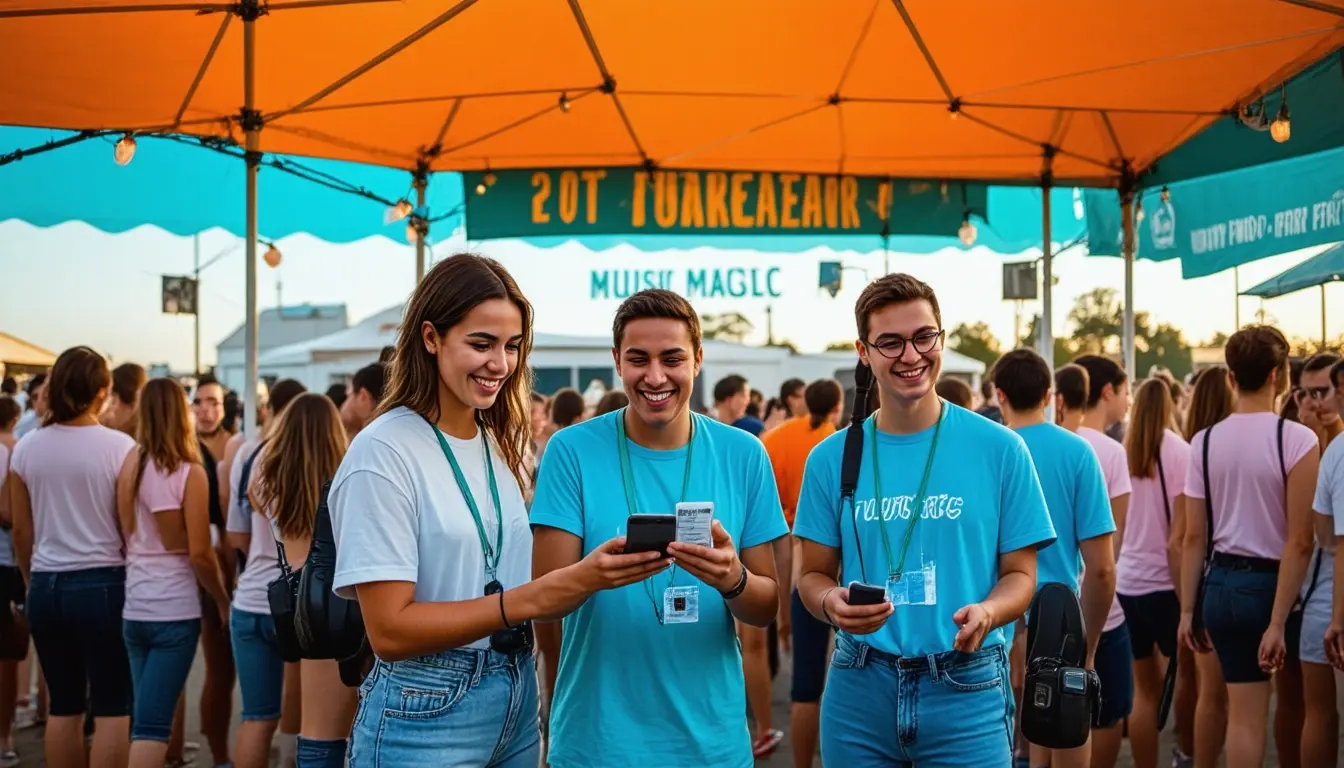
I worked with the team behind 'Harmony Fest,' a regional outdoor music festival drowning in paper-based chaos. Their entry gates were bottlenecks of frustration. We replaced all physical tickets with dynamic QR codes sent via email and SMS. The implementation was straightforward, but the impact was dramatic. Attendees sailed through gates with a quick scan, and staff could instantly verify authenticity and redirect counterfeit attempts. The result? A 40% reduction in average entry wait time and a 22% increase in gate capacity throughput. The real win was the mood shift; the event started on a note of excitement, not exhaustion.
Beyond Entry: The Interactive Layer
Check-in is just the opening act. Consider the mid-event engagement slump. At a tech conference for a major healthcare provider, we placed QR codes on session signage and tabletops. Scanning didn't just pull up speaker bios—it led to live polls, exclusive whitepaper downloads, and a personalized networking hub. One scan became a portal. Post-event data showed sessions with QR-driven content had a 65% higher attendee retention rate. The code became a conversation starter, not just a tool.
Industry-Specific Innovations: Where QR Codes Shine
The application isn't one-size-fits-all; it's a toolkit waiting for your industry's paint. In retail pop-up events, QR codes on product displays can launch video demos, reviews, or even instant checkout pages, turning browsing into buying. I've seen boutique brands lift in-event sales by 30% using this tactic. For corporate hospitality suites, a code on the welcome gift can link to a custom thank-you message from the CEO or a schedule of private performances—adding a layer of exclusivity and warmth.
Then there's the wedding industry, a beautiful case of personalization. One client, a luxury wedding planner, faced the classic 'photo collection' problem. Guests took amazing candids but sharing was a mess of emails and texts. We created elegant, themed QR codes on table cards linking to a dedicated photo upload hub. The result? Over 80% of guests contributed photos within 24 hours, gifting the couple a spontaneous, collaborative album. The pain point of lost memories was solved with a simple scan.
Your Blueprint for Flawless QR Code Integration
So, how do you move from inspiration to execution without creating new headaches? The key is intentional design. First, always context-code. A QR code for a food truck at a festival should link directly to a menu and mobile payment, not a generic homepage. Second, test relentlessly. Scan it on different devices, in different lights—yes, even in the glaring summer sun. There's nothing less professional than a broken code.
Technical Essentials for Marketers
Use a dynamic QR code generator. This allows you to change the destination URL without reprinting materials—a lifesaver if a link breaks or you want to update post-event content. Always pair your QR code with a clear, action-oriented call-to-action. "Scan here for the secret menu" performs infinitely better than a lonely, unexplained square. And for large-scale events, consider branded codes with your logo and colors; they build trust and enhance aesthetic cohesion.
Measuring Success: The Data Behind the Scan
This is where tech professionals earn their keep. Each scan is a data point. Track scan volumes, locations, and times to understand attendee flow and interest peaks. For instance, data might reveal that QR codes on restroom signage for feedback are scanned most during peak hours, highlighting a potential facility bottleneck. According to internal data from event platforms, campaigns using QR codes with tracked analytics see a 50% higher rate of post-event actionable insights compared to those without. This isn't just about counting scans; it's about understanding behavior to refine your strategy for next time.
The key takeaway here is that even simple technology can drive meaningful engagement. QR codes are no longer clunky; they're elegant connectors between the physical excitement of your event and the digital depth of your brand. Start with one clear objective—speedier entry, richer content, or happier guests—and let that humble square do the heavy lifting.