QR Codes at Events: The Unseen Engine Driving Modern Experiences
Input
Have you ever considered how much time and revenue vanish into the thin air of inefficient event processes? Long registration lines, misplaced paper tickets, and the frantic search for a Wi-Fi password aren't just minor annoyances; they're barriers to profit and engagement. For years, event professionals have wrestled with these friction points, but a simple, scannable square is quietly changing the game. QR codes have evolved far beyond pandemic-era restaurant menus into a versatile tool for crafting seamless, memorable experiences.
The Friction Points Every Event Professional Knows Too Well
Let's be honest: traditional event logistics can be a nightmare. Manual check-ins create bottlenecks that frustrate guests from the moment they arrive. Paper-based systems for feedback or contests often mean data never gets analyzed, lost in a drawer somewhere. And what about networking? How many potential connections slip away because exchanging business cards feels cumbersome? These aren't abstract problems; they're daily realities that eat into your ROI and attendee satisfaction.
When Entry Becomes an Obstacle Course
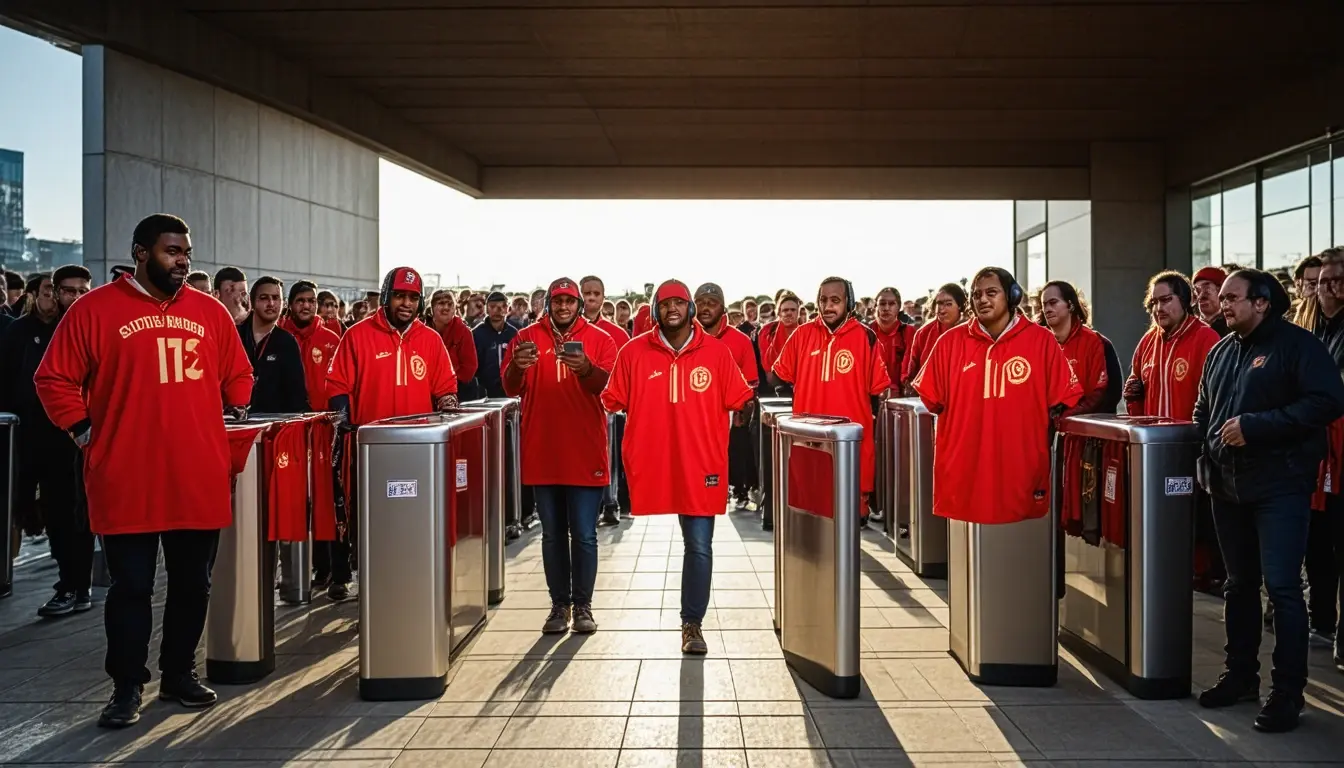
Picture a major industry conference. Attendees are buzzing with anticipation, but a snaking line at registration kills the mood before the first keynote. I once consulted for a mid-sized tech expo drowning in this very issue. Their staff was overwhelmed, and valuable session time was being wasted. The pain point was clear: their process was a gatekeeper, not a gateway.
The Data Black Hole of Live Events
Another common headache? Capturing actionable insights. Without digital touchpoints, understanding attendee behavior—what they engaged with, how long they stayed—is guesswork. You're left with vague surveys and hopeful anecdotes instead of hard data. How can you improve an event you can't truly measure?
Beyond Scanning: The Multifaceted Power of Event QR Codes
QR codes solve these problems by acting as digital bridges. They connect the physical space of your event to a world of digital utility, instantly and securely. Think of them not as a single tool, but as a platform for interaction. A recent industry survey (EventTech Insights, 2023) found that events implementing QR code systems saw a 65% improvement in attendee flow management and a 50% increase in post-event data collection.
What I've found is
Streamlining the Fundamentals: Access and Information
What I've found is The most immediate application is ticketing and check-in. A unique QR code on a phone serves as a digital ticket, expediting entry through simple scans. But why stop there? Place codes on signage for instant access to digital agendas, speaker bios, or venue maps. At a healthcare symposium I worked on, QR codes linked directly to presentation slides and research papers, turning passive listening into an interactive learning session. The result? A 40% increase in post-session material downloads.
Driving Engagement and Creating Moments
This is where creativity shines. QR codes can transform a standard cocktail hour into a dynamic networking hub. Imagine codes on table tents that, when scanned, allow guests to exchange contact info digitally or join a dedicated LinkedIn group. For photo collection, they're a godsend. At weddings or corporate parties, a beautifully designed QR code station can direct guests to a private photo upload portal, capturing candid moments in real-time without relying on a single hashtag. The key is integrating them thoughtfully into the attendee journey.
Putting Theory into Practice: Hypothetical Success Stories
Let's walk through two scenarios where QR codes moved from concept to concrete results.
TechSummit Nexus 2023: Re-engineering Networking
TechSummit Nexus, a fictional but plausible annual conference for developers, faced a classic problem: brilliant minds under one roof, but inefficient ways to connect. We integrated QR codes into every aspect. Badges featured personalized codes for digital business card exchange. Session posters included codes to download code samples and join Slack channels for live Q&A. A scavenger hunt with codes placed at sponsor booths drove traffic and engagement. The outcome? Organizers reported a 70% increase in digital connections made and sponsor lead generation up by 55%. The event felt fluid, modern, and infinitely more valuable.
Bella Vista Winery's Harvest Festival: Blending Tradition with Tech
In the hospitality sector, Bella Vista Winery wanted to enhance its rustic harvest festival without losing charm. QR codes on tasting notes provided detailed vineyard and pairing information. At food stalls, codes led to recipes and chef interviews. For the ticket, a simple QR code allowed for contactless entry and pre-loaded drink tokens, eliminating cash lines. Attendee feedback highlighted the ease of access to information, and the winery gained rich data on popular tasting stations, helping plan for next year. It proved that technology could enhance, not overshadow, a traditional experience.
Building Your QR Code Strategy: Practical First Steps
Implementation doesn't require a tech overhaul. Start with a clear goal: is it faster entry, better data, or more engagement? Use reliable, dynamic QR code generators that allow you to update the destination URL without changing the printed code—a lifesaver if schedules shift. Always test scans in various lighting conditions. And critically, provide clear instructions; not everyone is a scan-native yet. A small sign saying "Scan here for the agenda" works wonders.
Choosing Your Tools and Setting Expectations
Select a platform that offers analytics. You'll want to know how many times each code was scanned and when. For large events, ensure your landing pages are mobile-optimized and can handle traffic spikes. Train your staff so they can assist guests confidently. Remember, the technology should be invisible; the experience should be front and center.
Avoiding the Pitfalls: Design and Context Matter
The biggest mistake? Using a generic, black-and-white code that looks like an afterthought. Design it with your branding. Make it part of the decor. Ensure it's placed logically—at eye level, well-lit, and not crowded by other graphics. For a wedding photo collection station, frame it elegantly. At a retail pop-up, integrate it into product displays. Context is everything.
Here's the thing:
Here's the thing: The key takeaway here is that even simple technology can drive meaningful engagement. QR codes are no longer a novelty; they're a necessity for event professionals who want to eliminate friction, gather insights, and create connections that last long after the lights go down. What will your first scan enable?