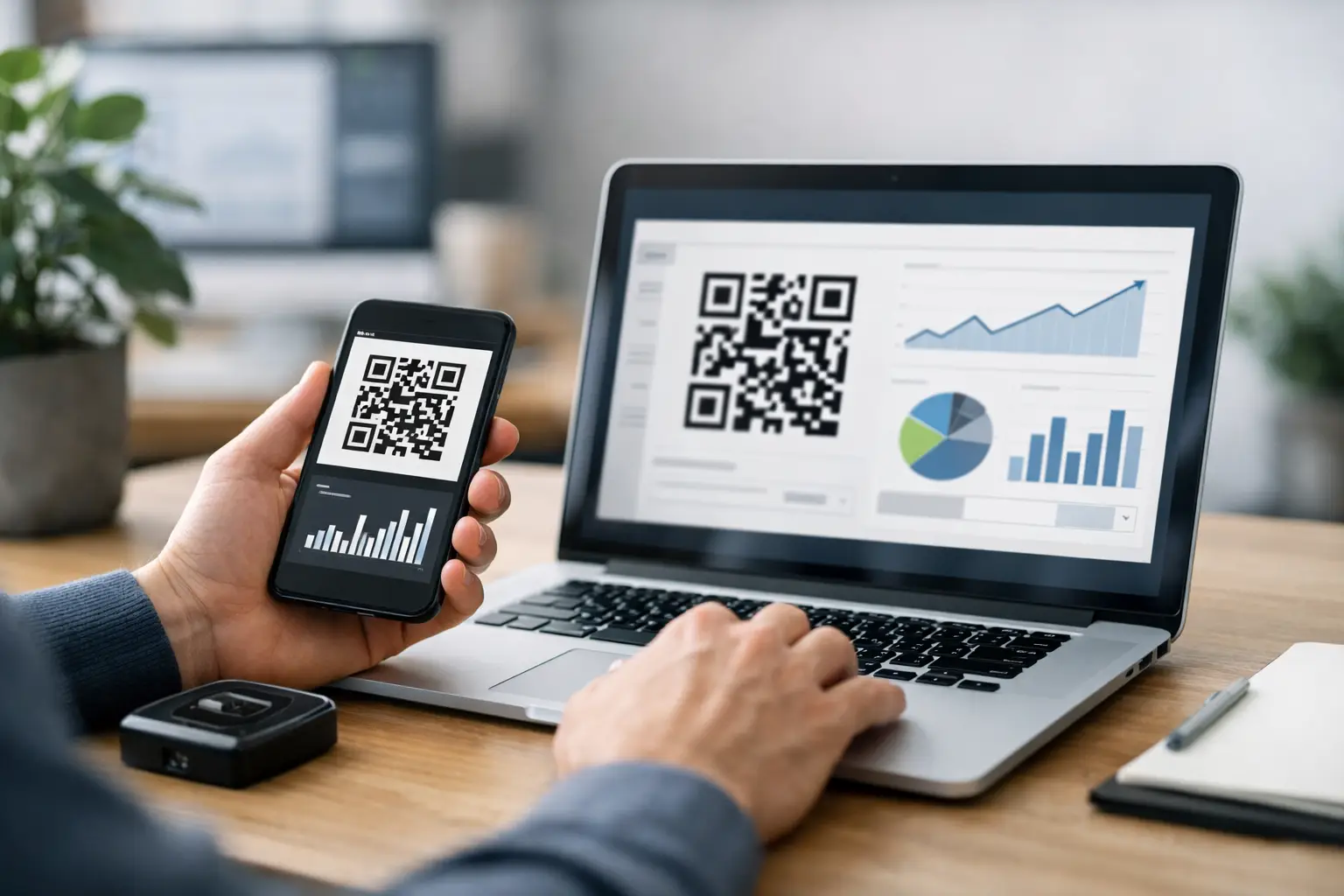
Dynamic QR Code Generator With Tracking
Print 500 table tents, ship product packaging, or hand out business cards at an event, and one thing becomes obvious fast: once a QR code is out in the world, changing it is expensive. That is exactly why a dynamic qr code generator with tracking matters. It gives you room to update the destination later, measure scan activity, and keep physical materials useful even when your campaign, offer, or landing page changes.
Static codes still have their place. If the destination never needs to change, they are simple and effective. But many real-world uses are not fixed for long. Menus get updated. Event details shift. Listings expire. Promotions end. Contact pages change. A dynamic code is built for that reality.
What a dynamic QR code generator with tracking actually does
A dynamic QR code does not permanently store the final destination inside the code itself. Instead, it points through a short redirect that you can update later. To the person scanning, the experience feels the same. They scan, tap if needed, and land on the right page. Behind the scenes, you keep control.
That control is the difference between reprinting and simply editing. If you place a code on flyers, signage, product inserts, posters, labels, or storefront materials, you can keep the same printed code active while changing where it sends people. For a small business or busy marketing team, that is not a minor convenience. It saves money, time, and cleanup.
The tracking side adds a second layer of value. You can see whether people are scanning, when activity spikes, and which materials are actually getting attention. That makes a QR code more than a shortcut. It becomes a measurable touchpoint.
Why tracking changes how you use QR codes
Without tracking, a QR code is basically blind. You can place it on a menu board, direct mail piece, event banner, or business card, but you will not know whether it worked unless the destination page has separate analytics set up and even then, attribution can get fuzzy.
With tracking, you get immediate feedback on scan behavior. That helps answer practical questions. Did the poster in the lobby perform better than the one near the entrance? Did conference attendees scan your digital business card more on day one or day two? Did the product insert generate interest after purchase, or was it ignored?
This is where dynamic codes become useful beyond marketing. Operations teams can use them on internal signage or quick-access process pages. Real estate agents can update a listing link without replacing printed material. Restaurants and cafes can update menu destinations as offerings shift. Event organizers can send attendees to revised schedules or speaker pages without creating confusion.
Tracking also helps you spot underperformance early. If scans are low, the issue may not be the code itself. It could be placement, call-to-action wording, design contrast, or the offer behind it. That kind of feedback gives you something to improve instead of leaving you guessing.
When a static code is enough and when it is not
Not every use case needs dynamic functionality. If you are creating a permanent Wi-Fi access code for a stable network, or a simple phone or email action that is unlikely to change, a static option can be perfectly fine.
The problem starts when the destination might change even once. A single update can turn a static code from convenient to costly. If you are printing in volume or deploying across multiple locations, the risk goes up quickly.
A dynamic qr code generator with tracking makes the most sense when any of the following are true: you may need to edit the link later, you want scan data, you are running a time-sensitive campaign, or the code will live on printed materials longer than the current destination probably will.
That applies to more situations than most people expect. A pet ID page may need updated contact details. An emergency contact page may need revised medical or family information. A vehicle listing may need a price change or a sold notice. A social link hub might need new platforms added over time. Dynamic codes fit these moving targets better.
Features that actually matter
A lot of platforms claim flexibility, but the useful differences are pretty straightforward. First, you want the ability to edit the destination quickly without rebuilding the code. That is the whole point.
Second, scan tracking should be easy to read. If analytics are buried or overly technical, they will not help a small business owner trying to check campaign performance between meetings. The best setup makes it obvious what was scanned and when.
Third, customization matters because QR codes often sit on branded materials. Color, frame style, shape options, and export format flexibility all affect how well the code fits your design without becoming hard to scan. There is always a trade-off here: stronger branding can improve visual fit, but too much styling can hurt readability. Practical customization beats flashy customization.
Speed also matters more than people admit. If creating a code takes too many steps, teams either delay the work or use a weaker workaround. A no-sign-up path can be especially useful when you need to generate something fast for a pop-up event, temporary sign, handout, or internal operation.
Common business use cases for dynamic QR codes with tracking
The best way to judge value is to look at where these codes solve a real problem. For professionals, a digital business card is an easy example. Contact details, job titles, scheduling links, and social profiles change. Reprinting cards every time is wasteful.
For hospitality, restaurant and cafe menus are an obvious fit. Seasonal items, pricing, and daily specials shift often. A dynamic code lets staff keep the printed tabletop sign while updating the destination in minutes.
For events, printed materials usually go out before every detail is final. Speaker changes, room updates, or revised schedules happen all the time. A dynamic code helps avoid directing attendees to outdated information.
For retail and product packaging, the destination can evolve after printing. A code might send shoppers to setup instructions, reviews, warranty registration, a promotion, or a support page. Tracking shows whether people actually engage after purchase.
For service businesses and independent professionals, a dynamic code can point to a booking page, portfolio, lead form, or contact card today and something else next month. That flexibility is useful when your marketing materials stay in circulation longer than a single campaign.
How to choose the right tool
Start with the actual job the code needs to do. If you need a reusable code that can support campaigns, printed materials, and changing destinations, dynamic functionality is worth it. If you also care about performance data, tracking is not optional.
From there, look at the workflow. Can you generate and customize the code quickly? Can you edit the destination without friction? Are exports suitable for both digital use and print? Can non-technical users handle it without a long setup process?
This is where a platform like QRDrobe makes sense for a wide range of users. The value is not just that dynamic code creation exists. It is that the process stays fast and accessible while still supporting business use cases such as event pages, digital business cards, menu pages, listing pages, profile links, and action-based contact experiences.
The right tool should also match your scale. A solo professional may just need one code for a profile or lead page. A retailer or event team may need multiple branded codes for signs, inserts, and customer touchpoints. The best choice is the one that lets both use cases happen without making either one feel overcomplicated.
Mistakes to avoid before you print
The most common mistake is treating a QR code like decoration instead of a utility. If the code is too small, lacks contrast, or is placed where people cannot comfortably scan it, performance drops fast.
Another mistake is linking to a weak destination. A dynamic code with tracking can tell you people scanned, but it cannot fix a page that loads slowly, looks bad on mobile, or asks for too much too soon. The destination still has to earn the scan.
It is also easy to overdesign. A branded code should still scan reliably across different phones and lighting conditions. Test it before deployment, especially if it will appear on packaging, windows, menus, or outdoor signage.
Finally, do not wait until after distribution to think about edits. The real advantage of dynamic functionality is ongoing control. Use it. Refresh campaigns, swap expired pages, and respond to what scan data is telling you.
A good QR code is not just something people can scan. It is something you can keep improving after it is already in people’s hands. That is where dynamic codes earn their place.