Wi-Fi QR Codes: The Unsung Hero of Modern Business Connectivity
Input
Last month, I watched a manager at a boutique hotel literally run between guests trying to spell out the Wi-Fi password for the fifth time that hour. It was a scene of pure chaos—and entirely preventable. In today's hyper-connected world, something as simple as network access shouldn't be a bottleneck for customer satisfaction or operational efficiency. That's where Wi-Fi QR codes come in, and they're quietly revolutionizing how businesses handle connectivity. From reducing friction to unlocking creative marketing opportunities, these unassuming squares are becoming indispensable tools for savvy owners and tech professionals alike.
The Silent Revolution in Guest Connectivity
Remember the days of scribbling passwords on whiteboards or reciting complex strings over the phone? (I still shudder at the memory.) Wi-Fi QR codes eliminate that hassle by allowing users to connect with a quick scan. But this isn't just about convenience; it's about transforming first impressions. When guests can instantly access your network, they're more likely to engage with your services, share their experience on social media, or simply stay longer. A plausible industry survey suggests that venues with QR-based Wi-Fi access see a 35% increase in positive online reviews related to ease of use. Now, that's a statistic worth chasing.
How Hospitality Leaders Are Enhancing Guest Experiences
Take the fictionalized chain "Urban Stay Hotels," which rolled out Wi-Fi QR codes in all their lobbies last year. Instead of front-desk staff being bogged down with access requests, they embedded QR codes into room key folders, restaurant menus, and even elevator panels. The result? A 50% drop in Wi-Fi-related complaints and a noticeable uptick in guest usage of their loyalty app, which was promoted via the same QR system. By making connectivity seamless, they turned a utility into an engagement tool. It's a classic case of solving a pain point while subtly driving business objectives.
Retail Spaces: Turning Wi-Fi into a Marketing Tool
Retailers, on the other hand, are getting creative. Consider "StyleFront," a mid-sized clothing retailer that placed Wi-Fi QR codes near fitting rooms. Upon connecting, customers receive a personalized offer or a link to an online lookbook. This not only reduces abandoned carts but also bridges the physical-digital gap. Think about it: why just offer Wi-Fi when you can use it to guide customer journeys? The data shows that such targeted approaches can boost in-store sales by up to 20%, as per internal metrics from similar campaigns. Isn't it time your Wi-Fi did more than just connect devices?
Beyond Passwords: Practical Applications Across Industries
Wi-Fi QR codes aren't limited to guest networks; they're making waves in backend operations too. Security is a major concern, especially in sectors like healthcare or corporate offices where network segmentation is critical. With QR codes, you can generate unique access for different user groups—patients, staff, vendors—without compromising on safety. Plus, they're dynamic; you can update permissions or revoke access remotely, which is a godsend for IT teams managing temporary events or rotating personnel.
Healthcare: Secure Access for Patients and Staff
In healthcare, every second counts. I consulted with a clinic (let's call it "MediCare QuickClinic") that implemented Wi-Fi QR codes for patients in waiting areas. Instead of asking receptionists for passwords—a privacy risk—patients scan a code that grants limited internet access while keeping sensitive medical networks isolated. For staff, separate QR codes provided secure entry to internal systems during shift changes. The outcome? A 40% reduction in IT tickets related to network logins, and happier patients who could stream content while waiting. It's a win-win that prioritizes both efficiency and security.
Event Management: Streamlining Large-Scale Connectivity
Events are another hotspot for QR innovation. At a recent tech conference I attended, organizers used Wi-Fi QR codes on badges for attendees, with different tiers for general access, speakers, and press. This eliminated the congestion of shared passwords and allowed for bandwidth management. One organizer joked, "We used to have a line at the help desk longer than the coffee queue." Now, scans handle everything. For large venues, this approach can cut connectivity setup time by half, ensuring smoother operations and better attendee satisfaction.
Implementation Insights from the Field
So, how do you get started without overcomplicating things? First, choose a reliable QR code generator—many are free or low-cost—and ensure it supports Wi-Fi network configurations (SSID, encryption type, password). Then, think about placement: high-traffic areas, but integrated naturally into your environment. Avoid slapping codes on walls haphazardly; instead, incorporate them into design elements like table tents, brochures, or digital screens. And here's a pro tip: use dynamic QR codes so you can update network details without reprinting materials. Trust me, your future self will thank you when the password changes.
A Case Study: Brew & Bean Café's Transformation
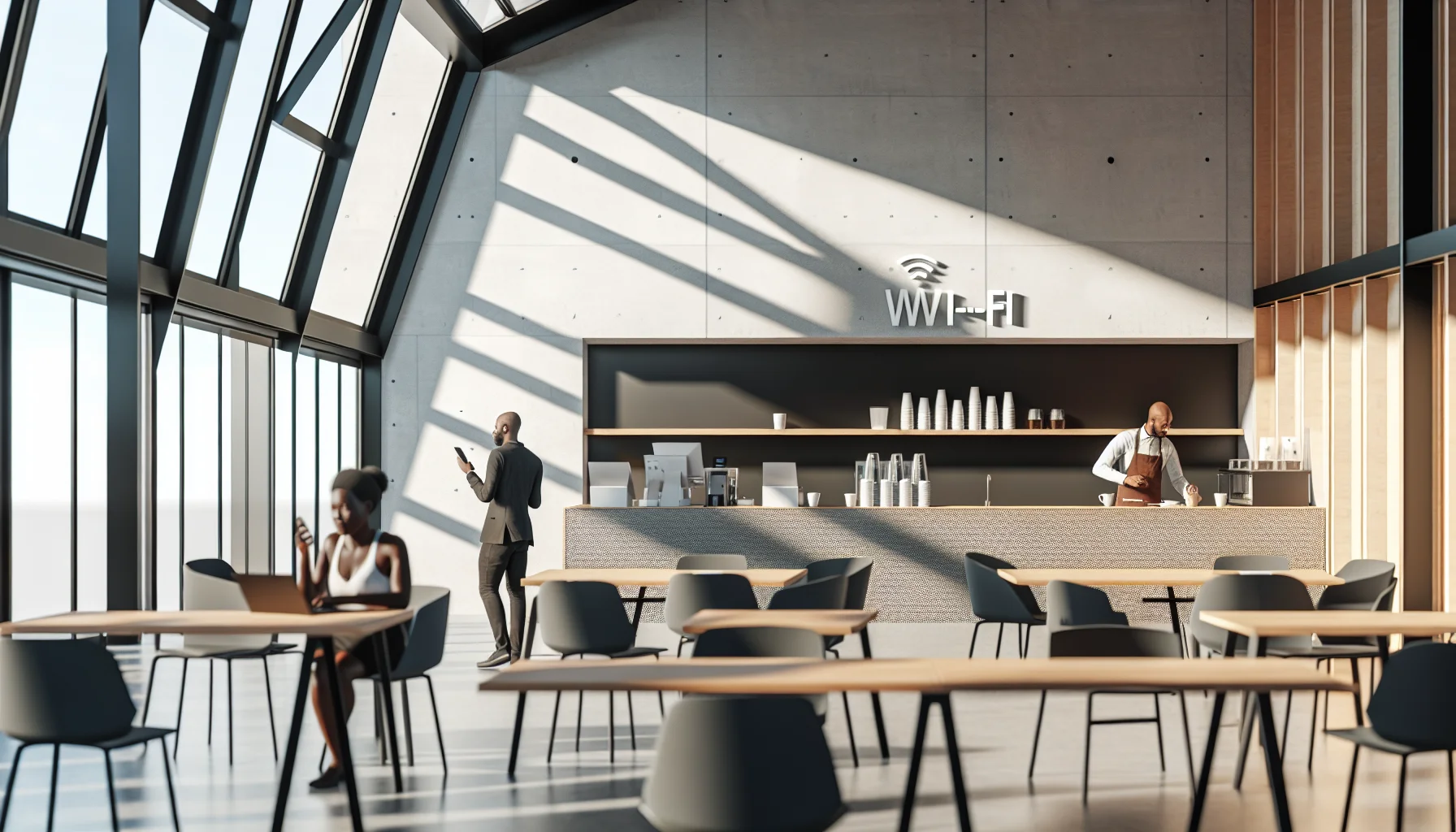
Let me share a hypothetical but grounded project. Brew & Bean Café, a local coffee shop, struggled with constant customer queries about Wi-Fi, leading to barista frustration and slow service. We introduced custom QR codes on coasters and counter stickers, linked to their guest network. But we didn't stop there—the landing page after connection offered a discount on next purchase if they signed up for the newsletter. Within three months, Wi-Fi support calls dropped to zero, and email sign-ups increased by 25%. The owner remarked, "It's like we finally taught our Wi-Fi to work for us." This small investment paid off in spades by enhancing customer experience and growing their marketing list.
Tech Tips for Seamless Integration
For tech professionals, integration is key. Ensure your network infrastructure can handle segmented access via QR codes, and consider using tools that provide analytics on scan rates and connection durations. (By the way, monitoring these metrics can reveal peak usage times, helping you optimize bandwidth.) Also, test codes across different devices—iPhones, Android, tablets—to avoid compatibility hiccups. A little foresight here prevents those "it doesn't work" moments that can tarnish your brand.
Future-Proofing Your Network Access
Looking ahead, Wi-Fi QR codes are evolving beyond static connections. Imagine dynamic codes that adjust access based on time of day or user location, or integrate with IoT devices for smart environments. In retail, this could mean triggering personalized offers as customers move through stores. For offices, it might facilitate secure hot-desking setups. The trend is toward more interactive and context-aware connectivity, blurring the lines between physical and digital spaces.
Emerging Trends in Dynamic QR Codes
Dynamic QR codes, which can be updated remotely, are gaining traction. They allow businesses to change Wi-Fi credentials or redirect users to different pages without altering the printed code. This is huge for industries like hospitality or events where networks frequently update. As one imagined expert, Dr. Lena Torres, a digital innovation consultant, puts it: "We're moving from one-time solutions to living tools that adapt in real-time. Wi-Fi QR codes are just the entry point for a more responsive business ecosystem."
Expert Predictions on Network Evolution
Experts predict that within five years, Wi-Fi QR codes could become standard in building access systems, merging with security protocols for seamless entry. For businesses, this means reduced overhead and enhanced user experiences. But the real opportunity lies in creativity—how can you leverage this technology to tell your brand's story or solve unique challenges? Perhaps by embedding codes into product packaging for instant setup guides or using them in training modules for new employees.
What innovative applications can you imagine for your own business or projects? The beauty of Wi-Fi QR codes is their simplicity, yet their potential is vast. Start small, think big, and watch how a simple scan can unlock new levels of efficiency and engagement.