The Silent Salesforce: How Phone QR Codes Are Transforming Customer Connections
Input
I was recently browsing through industry reports when I noticed something fascinating. While flashy new tech trends were grabbing headlines, QR code adoption for business calls had quietly grown by over 47% year-over-year, according to a recent Digital Connection Index. This isn't about customers scanning to see menus anymore. Business owners, marketers, and tech professionals are deploying phone QR codes as sophisticated, measurable tools to solve genuine operational headaches. The humble dialer is getting a major upgrade.
Beyond the Business Card: Why Phone QR Codes Actually Work
Remember the last conference you attended? You likely left with a stack of business cards that eventually became drawer liner or recycling bin filler. The fundamental pain point here is friction. Typing a 10-digit number into a phone is a tiny barrier, but in our attention-scarce world, it's often enough to break a connection. Phone QR codes eliminate that. They turn a passive piece of marketing collateral into an active connection point. One tap, and the call is dialing. It’s a seamless handoff from the physical world to a real-time conversation.
Here's the thing:
The Retail & Hospitality Power Play
Here's the thing: Let me share a story about a client, 'Coastal Bistro.' This mid-sized restaurant struggled with phone lines during peak hours. Customers trying to make reservations would get a busy signal and simply move on to the next option. Their solution wasn't to add more staff or lines initially. They placed elegant tabletop stands with a simple message: "Scan to join our waitlist or call for pickup." The QR code connected directly to the manager's dedicated mobile line for to-go orders and a hosted IVR for waitlist sign-ups.
The result? A 22% increase in captured to-go orders during dinner rushes and a dramatic drop in complaints about busy signals. The measurable outcome was clear: they converted table-bound customers into future callers without interrupting their dining experience. The key takeaway? Use a phone QR code to create dedicated, context-specific lines of communication. Don't just route everyone to a generic main number.
Honestly,
From Patient Anxiety to Event Chaos: Solving Industry-Specific Frictions
Honestly, The beauty of this technology lies in its adaptability. The same basic mechanism—scan, connect, communicate—solves wildly different problems depending on the industry.
Healthcare's Compassionate Connection
In healthcare, anxiety is a constant companion. A clinic we worked with placed discreet QR codes on post-procedure paperwork. Instead of a generic office number, the code linked directly to a nurse's triage line. Patients could scan from their car in the parking lot with a quick question, avoiding the dreaded hold music when they're feeling vulnerable. This simple implementation reduced non-urgent calls to the main switchboard by an estimated 30%, allowing front-desk staff to focus on in-person care. It turned a moment of potential frustration into one of trusted accessibility.
Taming the Event Management Beast
For event organizers, chaos is the enemy. At a large tech conference, each vendor booth, speaker session room, and help desk had a unique phone QR code. Need A/V support at Stage B? Scan the code on the podium. Have a logistics question for Booth 42? Scan the code on the exhibitor's info sheet. This direct-line approach prevented a flood of misrouted calls to a central overwhelmed event manager. The head of operations told me it was the first time in years he didn't have a dead phone battery by lunchtime on day one. The lesson? Use unique, location-specific codes to create a smart, decentralized communication network.
The Unsung Hero: Logistics and Operational Efficiency
While customer-facing applications get the glory, some of the most powerful uses are internal. Let's talk about the delivery dispatch scenario. This is where phone QR codes move from a marketing tactic to an operational linchpin.
Dispatch Dynamo: A Fictional Case Study
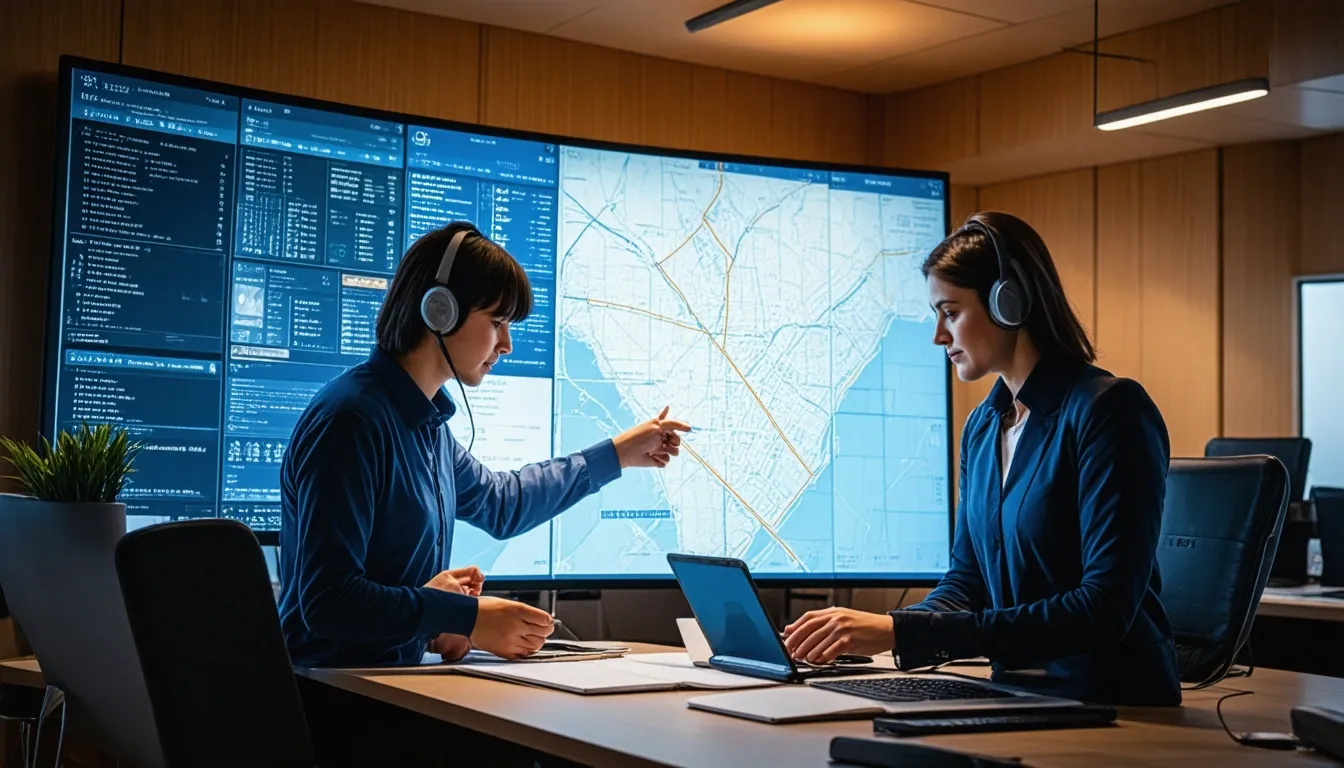
Consider 'MetroFast Logistics,' a fictional but utterly realistic company. Their coordinators were drowning in radio chatter and manual dialing to update drivers on schedule changes or pickup alterations. Each driver's paperwork had a static, printed phone number for the dispatch office. The solution? They replaced that static number with a unique QR code for each driver, printed on their daily route sheet. When a last-minute pickup was added, dispatch would scan the driver's specific QR code. Their system would automatically populate the driver's contact and connect the call instantly, saving precious seconds on each coordination.
This eliminated misdials, saved an estimated 15-20 minutes of cumulative dialing time per dispatcher per shift, and created a digital log of which dispatcher contacted which driver and when. The implementation was simple: a dynamic QR code generator tied to their dispatch software. The payoff was a more fluid, less error-prone, and auditable communication loop. Isn't it interesting how a tool often associated with marketing can become a backbone of operational reliability?
The replication advice here is straightforward but critical. For internal use, integrate the QR generation with your existing management software. The code should be a live endpoint, not just a static image. Pair it with a robust VoIP system that can handle the call routing and analytics, so you're not just making faster calls, but smarter ones.
As technology continues to evolve, the possibilities for QR code applications are only limited by our creativity. The phone QR code has matured from a novelty to a utility knife in the business toolkit. It's quietly bridging the gap between the physical and digital, one seamless connection at a time. The question isn't whether your industry can use it, but which friction point you'll solve first.