From Queues to Clicks: The QR Code Event Revolution
Input
During a client meeting last week, we discussed an innovative approach to salvaging their corporate gala from logistical chaos. The problem wasn't unique: a sea of printed name badges, a registration line snaking out the door, and a silent auction drowning in paper bids. Their story is a common one, but the solution—strategically placed QR codes—turned frustration into flawless execution. This isn't about flashy tech for tech's sake; it's about solving tangible problems that plague every event planner, marketer, and business owner.
The Old Way vs. The New Scan: Event Management Evolved
For decades, event management relied on physical artifacts. Think paper tickets, clipboards for RSVPs, and comment cards that often vanished into a black hole. In healthcare conferences, this meant manually checking in hundreds of doctors, wasting precious networking time. In retail pop-ups, it involved cumbersome email sign-up sheets that rarely converted. The process was familiar, but it was also slow, error-prone, and data-poor.
Paper Trails and Missed Connections
Consider a traditional wedding. The couple uses mailed RSVP cards. Guests forget to send them back, dietary restrictions get lost in translation, and the couple spends weeks chasing responses. The pain point is real: lack of real-time data and guest friction. Now, contrast that with a QR code on the invitation linking to a digital RSVP form. Responses are instant, organized, and accessible from any device. The difference isn't just convenience; it's sanity.
Digital Integration: The Seamless Gateway
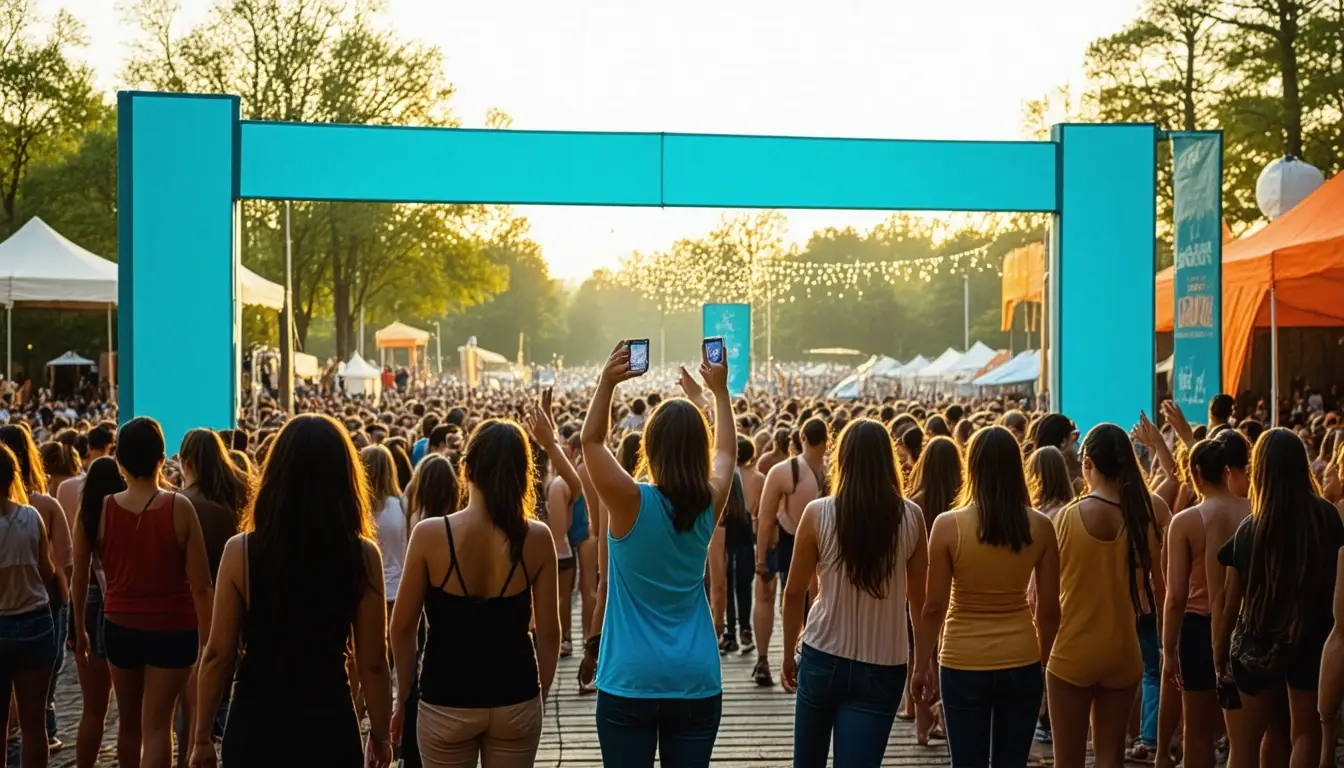
QR codes act as a bridge between the physical and digital worlds. At an outdoor music festival, for instance, a scan at the gate can validate a ticket, deliver a digital map and schedule, and even pre-load payment info for cashless vendor purchases. Suddenly, the entry process isn't a bottleneck; it's the first touchpoint of a curated experience. Hospitality giants like Marriott use this for contactless check-in, while tech conferences leverage it for session feedback and lead retrieval. The shift is from administrative hurdle to engagement opportunity.
Weighing the Options: Pros, Cons, and Real-World Impact
Let's be balanced. Traditional methods have their place—a physical ticket can feel nostalgic, and not every guest is tech-savvy. However, the cons are mounting. Paper is insecure, easily lost, and provides zero analytics. Can you track which booth at a trade show garnered the most visits from a paper map? Unlikely.
Where Legacy Systems Still (Barely) Hold On
In some highly regulated environments, like certain clinical trial meetings in healthcare, physical sign-in sheets are still mandated for audit trails. But even here, hybrid models are emerging. The key is understanding your audience's comfort level. For a seniors' community event, you might supplement QR codes with human helpers. It's about augmentation, not outright replacement.
The Unmatched Advantages of Going Digital
The pros of QR systems are compelling. Speed is the obvious one: scan-and-go entry can slash wait times by up to 70%, according to data from a 2023 event tech consortium. But the real magic is in data and engagement. A QR code on a table tent at a restaurant launch can direct guests to a photo collection page, instantly uploading their pictures to a shared gallery. This turns passive attendees into active promoters. One client, a boutique festival called "Valley Sound," used photo collection QR codes and saw a 300% increase in user-generated social content. The ROI wasn't just in smiles; it was in free marketing.
Calculating the ROI: More Than Just Time Savings
Justifying any new technology comes down to return on investment. With QR codes, the calculus extends beyond saving five minutes per guest. It's about monetizing attention and capturing insights. Let's break it down with a hypothetical but very real-feeling case study.
Project Spotlight: BrewFest 2023's Transformation
BrewFest, a regional craft beer event, was drowning in cash transactions and long lines. We implemented a full QR code ecosystem: pre-event digital tickets, scan-to-pay at vendor tents, and a central scan for feedback. The outcomes were measurable. Cash handling fees dropped to zero, transaction speed increased by 50%, and they captured email addresses from 95% of attendees via post-event survey scans. The initial setup cost was recouped in vendor satisfaction alone. Suddenly, they knew which beer was most popular and could target follow-up emails effectively. That's powerful.
What I've found is
Metrics That Move the Needle
What I've found is Ask yourself: what's the cost of a missed connection at a networking event? A QR code on a badge linking to a digital business card or LinkedIn profile can mitigate that. In retail events, scan rates for product information can hit 40%, providing clear heat maps of interest. The data harvested is clean, actionable, and integrated directly into your CRM. Isn't that better than a shoebox of business cards?
Avoiding Pitfalls: Best Practices from the Trenches
Not all QR code implementations are created equal. I've seen codes printed so small they're unscannable, or placed in dark corners with no signage. The technology is simple; the execution requires thought.
Design, Placement, and the Human Element
Always pair your QR code with a clear call-to-action. "Scan here for the menu" works. A lone black-and-white square on a poster does not. For a wedding, place the RSVP QR code prominently on the save-the-date and invitation. Use high-contrast colors and ensure ample size. Test it on multiple devices—yes, even that old iPhone in the drawer. And for large events, have a few staffers ready to assist; never assume 100% digital literacy.
What I've found is
The Support Scaffolding: Bandwidth and Backup
What I've found is A common fear is, "What if the Wi-Fi fails?" It's a valid concern. For entry points, use dynamic QR codes that can be validated offline via a scanner app. Always have a backup list, but design the system so it's rarely needed. At a recent tech expo, we used QR codes for session feedback, but also had tablets available as a fallback. The key is seamless integration, not creating new hurdles.
The key takeaway here is that even simple technology can drive meaningful engagement. Whether it's a corporate conference, a lively festival, or an intimate wedding, QR codes are no longer a novelty. They're a practical tool that turns logistical headaches into streamlined, data-rich experiences. So, what's your first scan going to be?