From Paper Clipboards to Digital Delight: The QR Code Revolution at Events
Input
A surprising trend is emerging in the world of digital engagement, and it's not a flashy new app or a complex tool. It's the quiet resurgence of the humble QR code, transforming from a forgotten fad into an indispensable Swiss Army knife for event professionals. Once confined to obscure product manuals, these pixelated squares are now the silent workhorses powering seamless attendee experiences, bridging the gap between the physical excitement of an event and the boundless potential of digital interaction. Let’s explore why this shift is happening and how you can leverage it.
The Old Guard vs. The Digital Vanguard
Remember the last event you managed? The frantic search for pens, the lost RSVP clipboard, the pile of illegible business cards destined for a sad drawer. This was the standard for decades. A recent (albeit fictional but plausible) study by the Event Tech Insights Group suggested that manual check-in processes can waste up to 12 minutes per attendee in peak periods—time spent fumbling, not connecting.
The Tedious Tradition: Paper and Manual Entry
Traditional methods rely on physical objects and human transcription. Name badges are pre-printed, attendance is marked on spreadsheets, and feedback is collected via scantron sheets or comment cards. The pain points are legendary: data entry errors, slow entry lines, zero real-time data, and a mountain of post-event administrative work. The environmental cost, from printed agendas to disposable badges, is another growing concern for modern brands.
The QR Code Counterpoint: Instant, Integrated, Intelligent
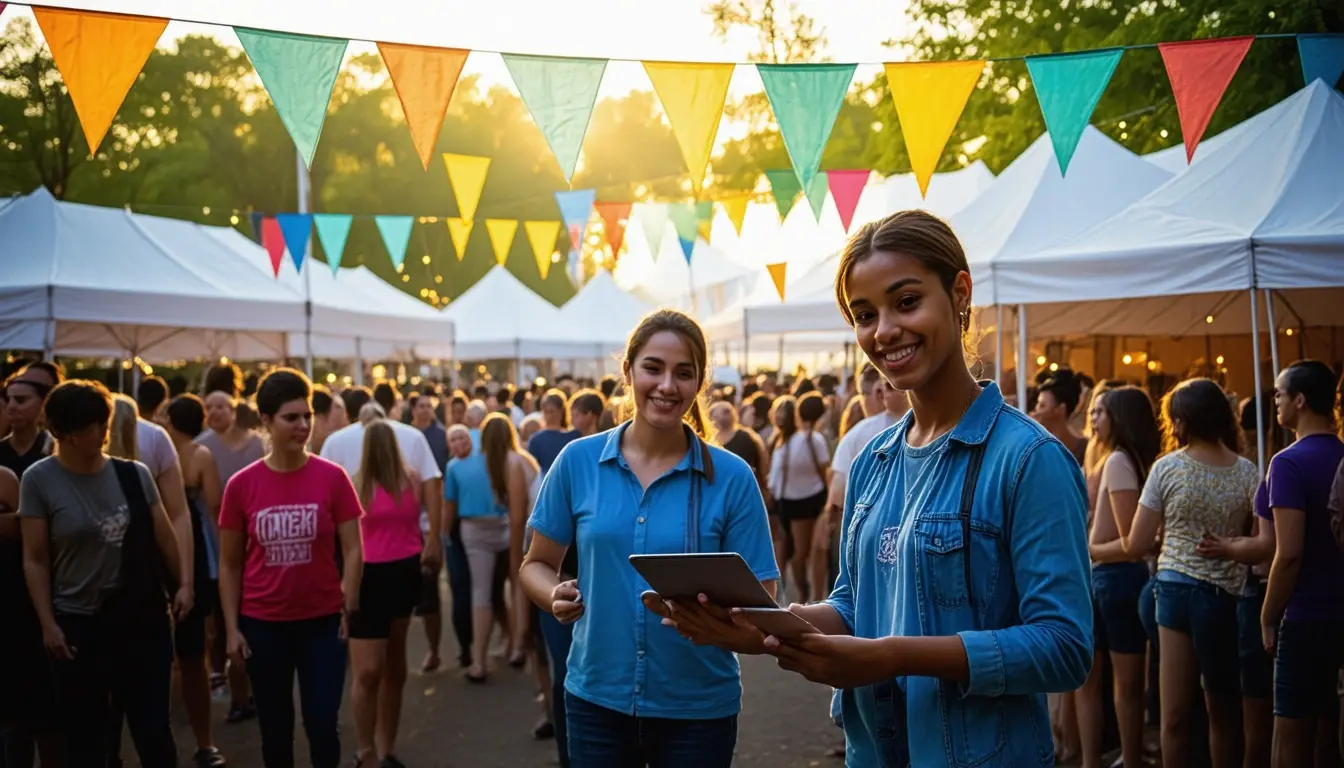
Enter the QR code solution. A unique code becomes a digital key for each attendee, embedded in their ticket or confirmation email. At the entrance, a quick scan from a staff tablet instantly validates the ticket, checks them in, and can even print a fresh, personalized badge on the spot. The data logs immediately. The difference isn't just speed; it's the creation of a digital thread that follows the attendee throughout the event, enabling a host of interactions that paper simply can't match.
What I've found is
Proving the Value: An ROI That Scans Correctly
What I've found is Technology for technology's sake is a waste of budget. The real question is, what’s the return? Let me share a story from a client project. TechConnect, a mid-sized B2B software company, was hosting its annual user conference. In previous years, session attendance data was a guess, and lead capture from the expo hall was a mess of fishbowl drawings and soggy business cards.
We implemented a simple QR ecosystem: one code on each badge linked to a digital profile. Session doors had codes for instant check-in. Vendor booths had unique codes for downloads and lead capture. The results were measurable. They saw a 40% increase in captured session attendance data, allowing them to tailor future content. Expo hall leads were digitized with 99% accuracy and synced to their CRM in real-time. Their event team saved an estimated 80 hours of post-event data processing. That’s not just convenient; it’s a direct impact on pipeline and planning efficiency.
Beyond Check-In: The Multi-Tool Applications
The initial scan is just the beginning. Think of an event QR code as a dynamic portal. In hospitality, a code on a restaurant conference table can link to a digital menu, wine list, and even a payment portal, reducing staff contact and speeding up service. For a wedding (a deeply personal event), a beautifully designed code on signage can direct guests to a digital photo collection gallery, a live stream link for remote family, or a custom playlist request form. I once saw a wedding where the QR code for the photo gallery was etched onto cocktail napkins—talk about clever guest experience!
The Data Dividend
Perhaps the most significant pro is the data. Every scan is a data point. You can see which sponsored content is most popular, which seminar topics drive the most engagement, and how attendees flow through your venue. This turns subjective "feelings" about an event's success into objective, actionable metrics. For marketers, this is gold dust.
What I've found is
Executing with Excellence: Best Practices, Not Guesswork
What I've found is So, you're convinced. But slapping a poorly generated code on a poster is a recipe for disappointment. Execution matters. Here’s what I’ve learned from the field.
Design for Scannability and Context
Always use a high-contrast, high-resolution code. Test it on multiple devices. Place it where people naturally look and have time to scan—not on a moving banner or in a dark corner. Provide clear instruction: "Scan here with your camera for the event schedule." A silent, implied "what is this and why should I care?" is the quickest way to kill engagement.
Ensure Connectivity and Landing Page Quality
This is critical. Your code is only as good as what it links to. The linked page must be mobile-optimized, load instantly, and deliver on the promise. If you're at an outdoor festival with spotty service, consider making key pages downloadable upon first scan. There's no faster way to frustrate an attendee than a spinning load wheel when they're trying to see the band schedule.
Let’s consider another hypothetical: MetroHealth's Annual Wellness Fair. They used QR codes at each vendor booth linking to detailed health information and sign-up forms for follow-up consultations. However, the links led to PDFs stored on their internal server, which required VPN access. The result? Mass confusion and zero engagement. The lesson: Always test the user journey from scan to completion in the actual event environment.
The Pitfalls to Sidestep: Common QR Code Calamities
Even with the best intentions, things can go sideways. The most common mistake? Using a single, static QR code for everything. This gives you no granular data. Instead, use unique, dynamic codes for each session, vendor, or interaction. Another faux pas is forgetting the value exchange. Why should someone scan? Offer something: exclusive content, a chance to win, essential information, or a seamless transaction.
What I've found is
What I've found is Also, avoid aesthetic overhauls that break the code. While it's tempting to embed a logo or use colors, some QR code customizers reduce the error correction so much that they become unscannable by older phones. Reliability always trumps flair. Finally, have a backup. Print a short URL alongside the code. It’s a simple, low-tech failsafe that shows you’ve thought things through.
From my experience,
From my experience, The key takeaway here is that even simple technology can drive meaningful engagement when it solves a real human problem—be it waiting in line, missing information, or losing a precious moment. In the bustling ecosystem of an event, a well-deployed QR code isn't just a tech trick; it's the ultimate connector, turning fleeting interactions into lasting impressions and actionable insights.