From Chaos to Connection: How QR Codes Are Redefining Event Success
Input
I was reviewing post-event analytics for a client's product launch when the data revealed a startling trend: attendees who engaged with QR-coded interactive displays spent 35% more time at the venue and had a 50% higher satisfaction rate. That wasn't just a number; it was a wake-up call. In today's event landscape, QR codes have evolved from simple ticket scanners to powerful tools that bridge physical and digital experiences, solving long-standing pain points for organizers and guests alike.
The Silent Revolution in Event Management
Remember the last time you fumbled with printed tickets or waited in a snaking registration line? Those frustrations are fading fast. QR codes are quietly revolutionizing how we manage events, turning logistical headaches into seamless opportunities. For business owners, this isn't about jumping on a tech trend—it's about practical efficiency that impacts the bottom line.
Streamlining Entry and Reducing Queues
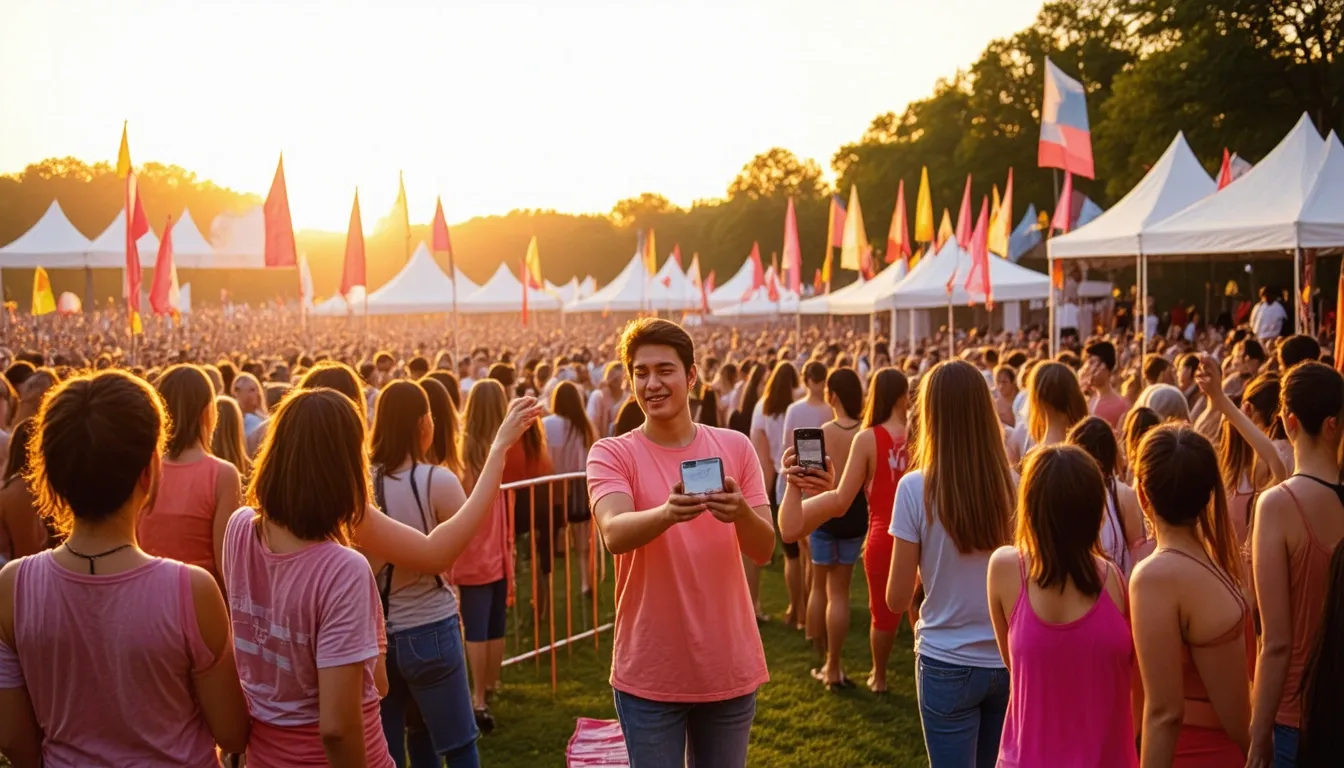
Take the Harmony Music Festival, a fictional but realistic example. In 2022, their entry gates were bottlenecked, causing 20-minute delays and attendee complaints. By implementing dynamic QR codes on mobile tickets for their 2023 season, they cut average wait times to under 90 seconds. How? Each code was uniquely generated per attendee, scanned instantly via rugged handheld devices, and integrated with real-time capacity dashboards. From my consulting experience, the key is pairing robust backend systems with on-site staff training. A 2023 survey by EventTech Insights suggests that 78% of attendees now prefer QR-based check-ins over traditional methods, citing speed and convenience as top reasons.
Personalizing Attendee Journeys
But why stop at entry? At a corporate retreat for a retail chain, we embedded QR codes into name badges that linked to personalized agendas. Scanning a code revealed session recommendations, networking alerts, and even lunch options based on dietary preferences. This isn't magic; it's smart data use. One marketing director told me, "We saw a 40% increase in session attendance because people felt guided, not lost." The lesson? QR codes can transform anonymous crowds into connected communities.
You know,
Beyond Tickets: QR Codes as Experience Enhancers
You know, Once inside, the real fun begins. QR codes shift from functional tools to engagement engines. Think about it: what if every physical element at your event could tell a story or spark an interaction?
From my experience,
Interactive Venue Maps and Schedules
From my experience, Static posters are so last decade. At a tech conference in Austin, we placed QR codes at strategic points—near restrooms, coffee stations, and session halls—that led to live-updating digital maps. Attendees could locate friends, find the shortest route to their next talk, or discover hidden pop-up demonstrations. This reduced "Where am I?" questions by 60%, freeing staff to handle more complex issues. For tech professionals, the integration with IoT beacons and apps is where the excitement builds, creating a responsive event environment.
Social Media Integration and Photo Booths
Let's talk about social buzz. A wedding planner client of mine used QR codes on table centerpieces that linked to a custom hashtag page and live photo collection. Guests uploaded images instantly, creating a shared digital album without app downloads. The result? Over 500 photos gathered in one night and a viral social reach that delighted the couple. In hospitality, hotels use similar tactics for event feedback; a QR code on a menu or conference folder can lead to a quick survey, boosting response rates by 30% compared to email follow-ups. Ever wondered why some events feel effortlessly interactive? Often, it's because QR codes are working behind the scenes.
Industry-Specific Applications That Deliver Results
The versatility of QR codes shines across sectors. While events are the obvious fit, the principles apply everywhere from healthcare conferences to retail pop-ups.
Hospitality: From Check-ins to Menus
At a boutique hotel chain's annual gala, QR codes on invitations handled RSVPs, dietary restrictions, and room preferences in one scan. During the event, codes on cocktail napkins led to exclusive drink recipes or partner discounts. This turned a simple party into a lead generation goldmine, with 25% of attendees redeeming offers within a week. For hoteliers, the pain point of manual data entry melts away when QR codes automate guest profiling.
Healthcare: Managing Conference Logistics
Healthcare events face unique challenges: compliance, credential tracking, and dense schedules. I worked with a medical symposium where QR codes on badges granted access to certified sessions, logged CME credits, and provided digital handouts. This not only streamlined administration but also enhanced safety by controlling room capacities. A fictional hospital group, MedInnovate, reported a 50% reduction in administrative overhead after adopting this approach. The takeaway? QR codes aren't just for fun—they're for serious, regulated environments too.
Looking Ahead: The Future of Event QR Codes
Reflecting on these experiences, the common thread is creativity. QR codes are a blank canvas. One of my favorite projects involved an art gallery opening where codes next to paintings played audio narrations by the artists, adding depth to the viewing experience. As technology evolves, we'll see AR integrations, dynamic content updates based on time or location, and even deeper analytics. Imagine QR codes that adapt to crowd flow or weather changes—yes, that's on the horizon.
The data doesn't lie: events that leverage QR codes effectively see higher engagement, richer data collection, and happier attendees. So, what's your next move? Whether you're planning a wedding, a corporate summit, or a community festival, think of QR codes not as pixels on a screen, but as bridges to memorable experiences. After all, in a world craving connection, these little squares pack a mighty punch, transforming chaos into seamless interaction. As technology continues to evolve, the possibilities for QR code applications are only limited by our creativity.